
What is UV Printing? 3 Dimensions of the Complete Guide
What Does UV Printing Mean?
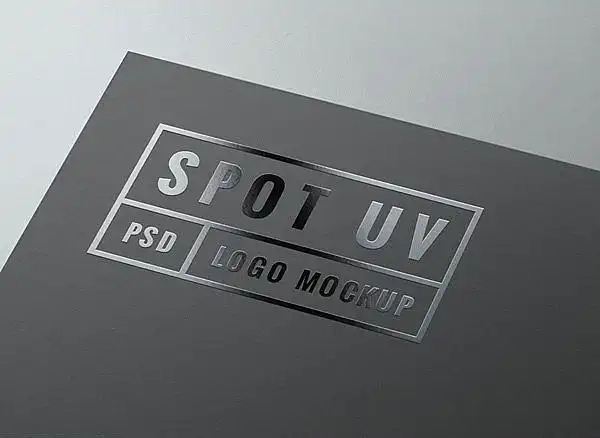
What is UV printing, and how does it stand apart from regular printing methods? Traditional methods focus on ink soaking in and drying by air and oxidation.
UV printing is a digital printing technology that uses ultraviolet light to instantly dry or cure ink as it is printed onto a substrate, offering superior scratch resistance and color vibrancy for labels and packaging.The printer deposits the UV ink on the substrate material and then exposes the substrate material immediately using ultraviolet light.
The photosensitizer will react with the UV light which results in a permanent printed surface that has high color quality.
The printing process is not only limited to printing on standard paper substrates but it can also print on non-absorbent surfaces which include plastic, metal, and laminate.
It helps to eliminate common problems that businesses face when printing on smooth substrates with traditional inks such as long drying time as well as color fading or smearing.
Technical Comparison: UV Printing vs. Traditional Printing
| Features | Technical Performance (UV Printing) | Traditional Printing methods |
|---|---|---|
| Curing Efficiency | Instantaneous ultraviolet curing (in milliseconds). Eliminates the need for powder sprays to assist drying, allowing for continuous, heavy-duty layer stacking and immediate conversion. | Relies on natural ambient air drying which takes hours, or high-energy thermal forced-air drying that incurs significant power costs. |
| Printing Quality | Delivers ultra-high gloss ink layers, exceptional scratch and abrasion resistance, high color saturation, and razor-sharp edge precision. | Prone to color deviation and registration shifts; the resultant ink layer exhibits noticeably poorer wear and scratch resistance. |
| Eco-Friendliness | Zero solvent volatilization (100% VOC-Free), fully compliant with global green printing regulations and sustainability benchmarks. | Solvent-based formulations inevitably discharge volatile organic compounds (VOCs) and hazardous atmospheric pollutants. |
| Material Versatility | Flawless compatibility with non-absorbent substrates: metals, glass, plastics (PVC, PP, PE), leather, ceramics, and hundreds of composite media. | Strictly confined to porous, absorbent substrates such as standard paper stocks and cardboard. |
Key Features of UV Printing Technology
With the nature of “print-and-dry” in UV curing technology, there will be a very large potential to increase the efficiency of production.
The ink, which cures when exposed to ultraviolet light immediately after printing comes out of the printer can then directly go into the next step of production, without the need to wait for the ink to dry.
This drastically reduces the time involved in the turnaround and assists in mass production.
By accurately measuring the degrees of ink thickness and curing, understanding how UV printing works allows manufacturers to bring about various special effects on the surface.
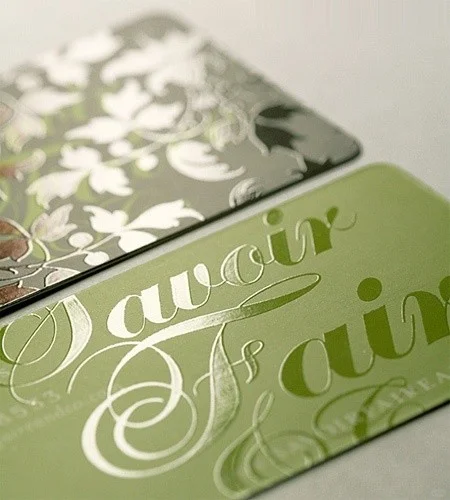
- For instance, gloss UV lamination finish is shiny only in certain areas of the surface, it can increase color contrast and visual appeal;
- spot UV printing enhances details by contrasting glossy and matte finishes in logo, text and patterns; raised UV gives a slight 3D effect by layering the ink, giving a more tactile feel for the printed materials;
- textured UV printing produces special textured finishes, which make packaging and labels offering a unique tactile sensation.
In addition to excellent adhesion and stability of ink layer after UV curing, scratching, wear resistance, water resistance, acid and alkali resistance, solvent resistance and the resistance of UV can be effectively prevented, making patterns have clear details and long-term color reproduction.
What UV printing is best known for in the industrial sector is its ability to be successfully applied to paper, plastics and metals, as well as laminated materials to deliver both exquisite looks and long-term durability.
Applications of UV Printing
1. Cosmetics and Personal Care Packaging
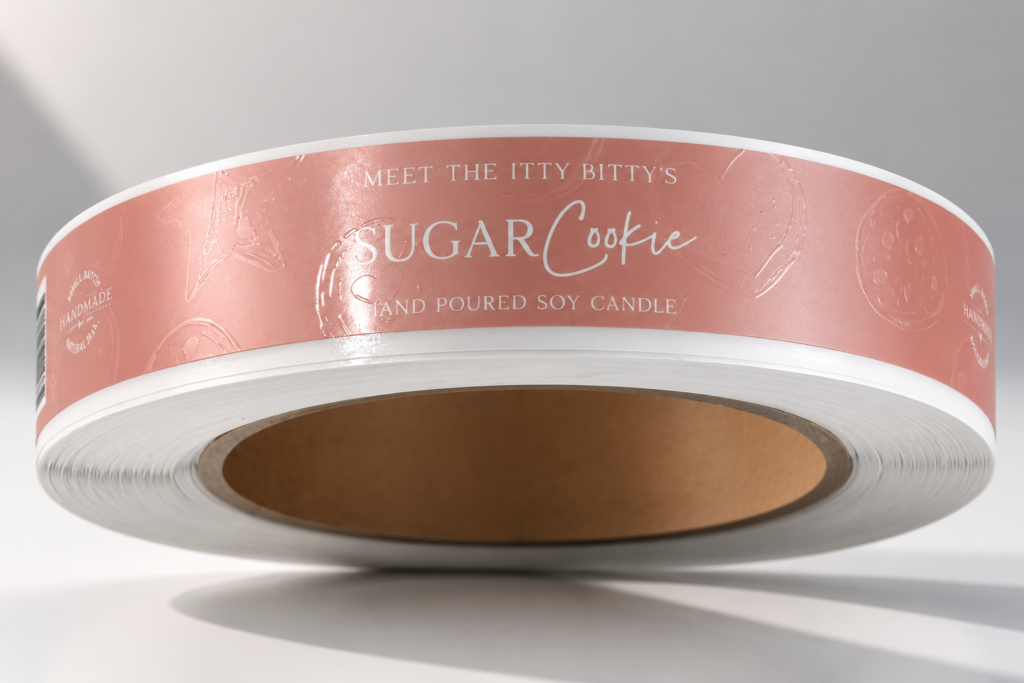
Applications of UV printing include cosmetic boxes, skincare gift sets, face mask packaging, and outer packaging for hair and body care products.
It can produce such visual effects and performance, which is why many manufacturers choose to use it on their packaging.
With sharp detail and accurate colour reproduction, and special light and shadow effects enables brand to form a high-end feeling.
2. Food Packaging and Infant Products Packaging
When evaluating UV printing from a safety compliance perspective, UV inks are free of solvents and they are not releasing any toxic or harmful compounds during the printing process, so they comply with the food packaging safety standards.
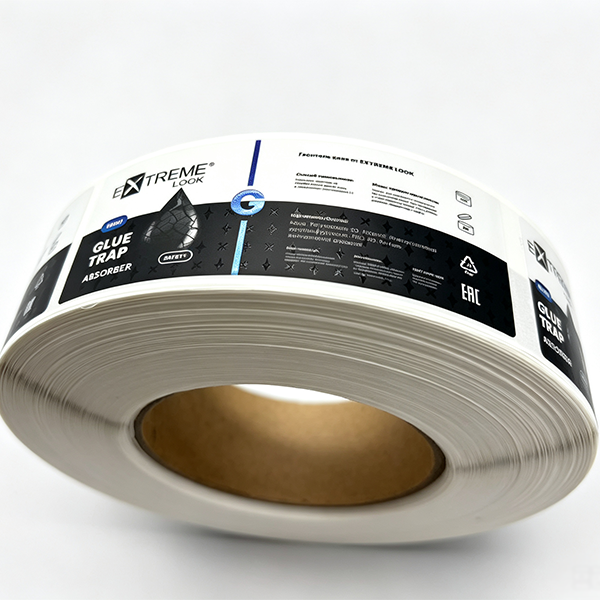
Hence, it is great for all those popular food packages such as snack boxes and sweet boxes, baked goods boxes, health supplement boxes, baby and toddler product packaging, and food gift boxes.
Visually, the ultraviolet-cured ink layer have superior wear resistance, water resistance and impact resistance, which can effectively maintain the design during the circulation and storage.
At the same time it creates high definition graphics and vivid colors, helping your products to stand out in the bustling retail shelves.
3. High-End Packaging for Tobacco and Alcohol Gifts
Premium packaging for items like cigarette boxes, liquor gift boxes, tea and health supplement sets, as well as holiday presents, demands exceptional material textures and stunning visual effects.
Utilizing the full core capabilities of UV printing technology, effects such as three-dimensional embossing, high gloss, and a matte finish can be achieved on the packaging surface, making logos, patterns, and brand elements stand out more prominently.
This diverse range of surface treatments not only enhances the packaging’s sense of luxury and brand recognition but also helps brands establish a premium product image with greater collectible value and market competitiveness.
4. Electronics & Digital Product Packaging
Packaging for cell phones, headphones, smart devices, power banks, small appliances, and other digital accessories needs to provide reliable protection.
For these items, the shielding properties of the abrasion-resistant and scratch-resistant coating engineered through UV printing are especially beneficial.
Concurrently, the high-tech impression created by the contrast gloss and textured feels which will further enhance the unboxing experience and help electronics brands stand out in the professional and high-end market.
FAQ
1. What is UV printing and how does the curing process work?
UV printing is a digital or offset printing method that utilizes ultraviolet light to instantly cure (dry) inks as they are deposited onto the substrate. Unlike conventional inks that dry via evaporation or absorption, UV inks contain specialized photoinitiators. When exposed to UV-LED light, a rapid photochemical reaction occurs, transforming the liquid ink into a solid, highly durable film in milliseconds.
2. Is UV ink safe for eco-friendly food and infant product packaging?
Yes, premium industrial UV inks are highly compliant with modern safety standards. Since the curing process is entirely photochemical rather than solvent-based, UV printing is 100% solvent-free and releases zero Volatile Organic Compounds (VOCs). This makes it exceptionally safe for consumer-facing goods like food boxes, health supplements, and sensitive infant product packaging.
3. What is the difference between Spot UV and Raised UV finishes?
Spot UV: Applies a flat, high-gloss ultraviolet coating to designated areas of the label (such as logos or brand elements) to create a striking contrast against a matte background.
Raised UV: Deposits layered, high-density UV ink to create a tangible 3D dimensional effect. This adds an ultra-premium tactile texture that consumers can physically feel on the product packaging.
4. Can UV printing be applied to non-absorbent materials like film, plastic, and metal?
Absolutely. Because UV printing relies on instant light-curing rather than substrate absorption, it possesses excellent adhesion properties on smooth, non-porous surfaces. It is the gold standard for high-end film labels (such as Clear BOPP, PET, and PE) as well as aluminum foil and metalized packaging substrates, completely eliminating issues like smearing or long drying queues.
5. How durable is a UV-printed custom label against external wear and tear?
UV-cured ink layers offer superior mechanical resistance compared to traditional printing. They are highly scratch-resistant, abrasion-resistant, and entirely waterproof. Furthermore, the cross-linked polymer structure provides strong defense against mild acids, alkalis, and chemical solvents, ensuring your label’s graphics and color reproduction remain flawless during transit and long-term shelf storage.
6. What specifications does the factory need to execute a Spot UV layout?
To ensure flawless execution, you should provide our factory with a separate vector layer (usually marked in a solid spot color in AI or PDF formats) that explicitly outlines the exact coordinate areas intended for the UV treatment. Additionally, specifying your base material (e.g., matte lamination or kraft paper) helps our engineers calibrate the optimal ink thickness and curing intensity.

Need Help Customizing Your Own Packaging Design?
Whether you need Cosmetic Labels, Wine Labels, Food Labels, or Custom Adhesive Stickers, our experts can recommend the best material based on your product, application, and budget.