
Waterproof vs. Water-Resistant Labels: Which One Should You Choose?
When picking your product packaging, do you often see the terms “Waterproof” or “Water-resistant” listed in the specifications?Both terms indicate that the product has some resistance to water, but their levels of water resistance are vastly different.
“Water-resistant” packaging can withstand light splashes and condensation, while “water-proof” packaging can withstand full submersion, heavy oil, and extreme weather conditions. Understanding these key differences will help you choose the right materials, adhesives, and finishes to prevent issues such as label peeling or ink bleeding on your product packaging.
Waterproof vs. Water-Resistant Labels Comparison
| Comparison Item | Water-Resistant Labels | Waterproof Labels |
|---|---|---|
| Core Moisture Performance | Resists light splashes, brief condensation, and moderate humidity | Designed for repeated water exposure, wet environments, and certain immersion condition |
| Common Materials | Coated paper with lamination | Vinyl/PVC, BOPP, PET, or other synthetic films |
| Main Protection | Surface lamination provides temporary moisture protection | Film facestock prevents water absorption through the label material |
| Common Weakness | Exposed edges may absorb moisture over time | Performance still depends on adhesive, application, and surface conditions |
| Best Applications | Dry goods, indoor packaging, light condensation | Refrigerated products, frozen food, cosmetics, beverages, outdoor products |
| Best Budget Position | Low to mid-cost, cost-effective for short-term packaging | Higher material cost, built for long-term harsh environment durability |
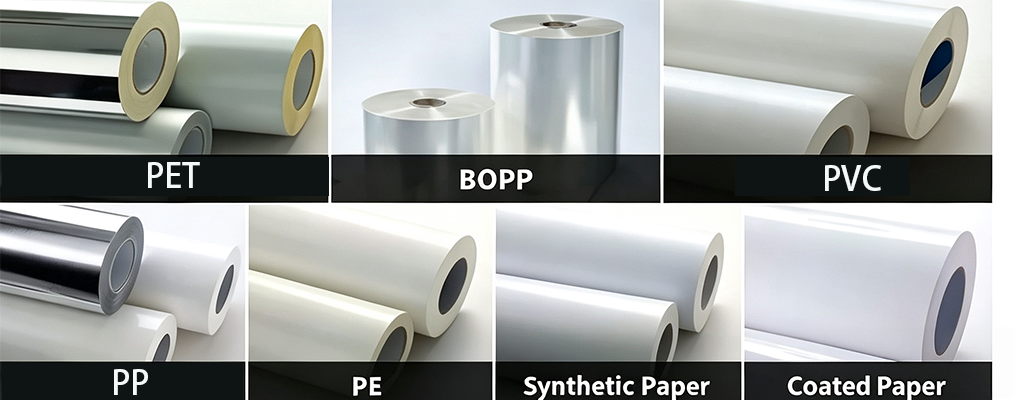
Water-Resistance Performance Ranking
| Rank | Material | Description |
|---|---|---|
| 1 | PET | Plastic material, comprehensive performance, relatively high cost |
| 2 | BOPP | Plastic material, food-grade packaging |
| 3 | PE | Plastic material, soft and resistant to freezing |
| 4 | PVC | Plastic material, widely used |
| 5 | PP | Plastic material, high toughness cost performance |
| 6 | Synthetic Paper | Paper and plastic composite material, low cost |
| 7 | Coated Paper | Paper, can be laminated for reinforcement, low cost |
What are Water-resistant Labels?
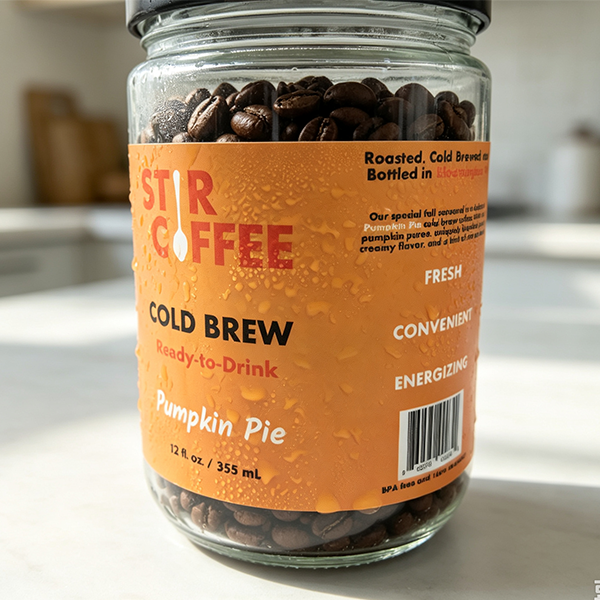
Water‑resistant labels (also called splash‑proof labels) withstand brief water contact without damage. They are still made of absorbent fiber paper by nature. A clear surface film gives them short‑term water resistance. This film only covers the label’s front side, leaving raw paper edges exposed after die‑cutting.
Applications for water-resistant labels
- Dry Foods & Pantry Items: Canned goods, boxed snacks, and spice jars kept in standard kitchen cabinets.
- Indoor Cosmetics: Products like face powders, lotion bottles, or vitamins that stay safely on a dry vanity.
- Wine & Spirits: Wine bottles stored at room temperature that won’t spend hours underwater in an ice bucket.
- Retail Shipping Labels: Cardboard boxes and indoor packaging that just need a quick layer of splash protection.
What are Waterproof Labels?
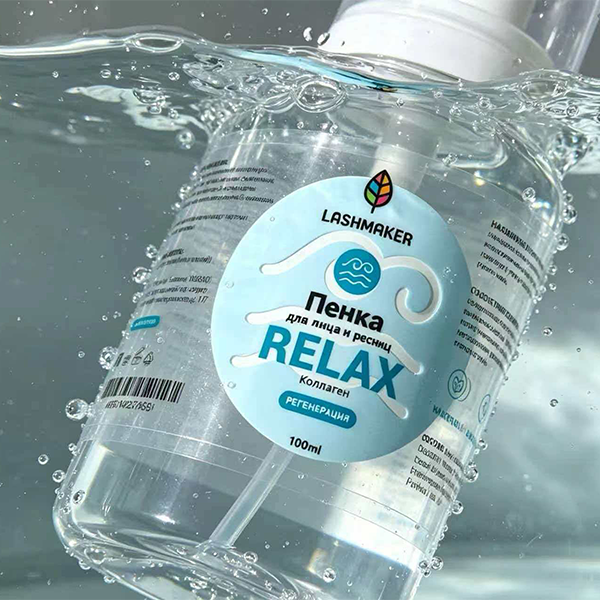
Real waterproof labels are made with film materials and special glue. They are different from paper labels which eliminate water absorption issues right at the source. Because film does not have holes or threads that take in water these labels can handle small wetness being soaked in a bucket of ice, rain and oily messes without much problem. Even if they are in water, for a time they usually stay flat without getting wrinkled, smudged or losing their hold.
Applications for waterproof labels
- Showers & Bathrooms: Shampoo, body wash, and cleansers that sit in steamy, wet environments every day.
- Ice Buckets & Cold Drinks: Chilled beers, white wines, and juices that get tossed straight into melting ice.
- Freezers & Frozen Foods: Ice cream tubs and frozen meat packages that deal with extreme cold and thawing moisture.
- Outdoor & Industrial Gear: Lawn care items, garden chemical bottles, and outdoor tools left in the rain and sun.
Waterproof vs. Water-Resistant Labels:
What Is the Difference?
With the information above, you should now have a basic understanding of waterproof and water-resistance labels. The key difference between them lies in water‑repellent performance, which comes down to their different face‑stock materials.
Waterproof labels use synthetic film substrates. Their water‑blocking capability is inherent to the material itself, not just a thin surface coating. The entire label delivers protective performance. In contrast, Water‑resistant labels only receive surface lamination for water protection. Raw paper edges stay exposed after die‑cutting.
The substrate of waterproof labels blocks water by nature. It maintains stable performance even under long‑term humid conditions or when fully submerged in water. This is not the case for water‑resistant labels. Moisture seeps in through unprotected cut edges. The inner paper absorbs water continuously and eventually wrinkles or breaks down.
Benefits of Waterproof Labels
For extremely harsh weather conditions such as long-term exposure to water and high humidity, our waterproof labels are the best choice to print your labels. They are made to differ from simple splash-proof paper labels which absorb water and change shape after getting wet.
Waterproof labels are best suited for products which are used in harsh environments, such as products which are stored in humid environments, products which come into contact with water,products which have a long shelf life.Whether submerged in ice buckets, used in continuously damp bathroom settings, exposed to low temperatures in frozen storage, or left outdoors under prolonged sun and rain, printed graphics and text on the labels stay sharp and intact.
For chemical containers, outdoor equipment, cold‑chain goods, bathroom supplies and more, waterproof labels deliver reliable identification. They preserve label appearance over long periods within complex working conditions.
How to Test Your Labels Before Bulk Ordering
Before purchasing labels, if you wish to determine their waterproof rating, you can conduct a test. By observing the results, you can verify whether the labels are suitable for your specific application scenario.These tests provide a practical indication of label performance, but they do not replace a formal material or packaging specification. Results may vary depending on the container surface, adhesive, label construction, application temperature, and exposure conditions.
- Ice water soaking test Submerge sample labels attached to your actual product packaging material in ice water for 24–72 hours. Check for edge lifting, paper wrinkling, ink fading or glue failure. Water-resistant laminated paper labels will show edge water seepage, while vinyl/PET waterproof samples remain intact.
- Damp heat cabinet simulation test Place labeled containers in a sealed high-humidity space for 7 days to replicate long-term refrigeration or bathroom storage. Observe blistering and peeling risk.
- Rub & friction durability test Wipe the label surface repeatedly with a damp cloth or alcohol wipe to test if printed text and patterns smudge off. This verifies the quality of lamination and UV coating.
- Low-temperature freeze test Put labeled packaging in a -18°C freezer for 3–5 days, then thaw at room temperature repeatedly. Check if the adhesive loses stickiness after temperature cycling—critical for frozen food brands.
FAQ
What is the difference between waterproof labels and water-resistant labels?
Waterproof labels are designed to withstand prolonged exposure to water, moisture, and harsh environments without losing adhesion or readability. Water-resistant labels can handle limited contact with water but may not perform well under long-term immersion or extreme conditions.
Are waterproof labels completely waterproof?
Yes, high-quality waterproof labels are made with durable materials such as polyester (PET) or vinyl and strong adhesives that help them resist water, humidity, and moisture. However, performance may vary depending on the material, adhesive, and application environment.
When should I choose waterproof labels?
Waterproof labels are ideal for products exposed to frequent moisture, outdoor conditions, refrigeration, washing, or heavy-duty environments, such as bottles, cosmetics, food packaging, chemicals, and industrial equipment.
When are water-resistant labels a better choice?
Water-resistant labels are suitable for products that may occasionally come into contact with water but do not require full waterproof protection, such as indoor packaging, retail products, storage containers, and general labeling applications.
Which label material is best for waterproof applications?
Common waterproof label materials include polyester (PET), polypropylene (PP), and vinyl. PET labels provide excellent durability, chemical resistance, and tear resistance, making them a popular choice for demanding applications.
How do I choose between waterproof and water-resistant labels?
Consider your product’s environment, exposure time to moisture, surface type, and durability requirements. If the label needs to survive constant water exposure or outdoor use, choose waterproof labels. For occasional moisture contact, water-resistant labels may be sufficient.

Need Help Customizing Your Own Packaging Design?
Whether you need Cosmetic Labels, Wine Labels, Food Labels, or Custom Adhesive Stickers, our experts can recommend the best material based on your product, application, and budget.