
How to Choose the Best Cosmetic Label Material?
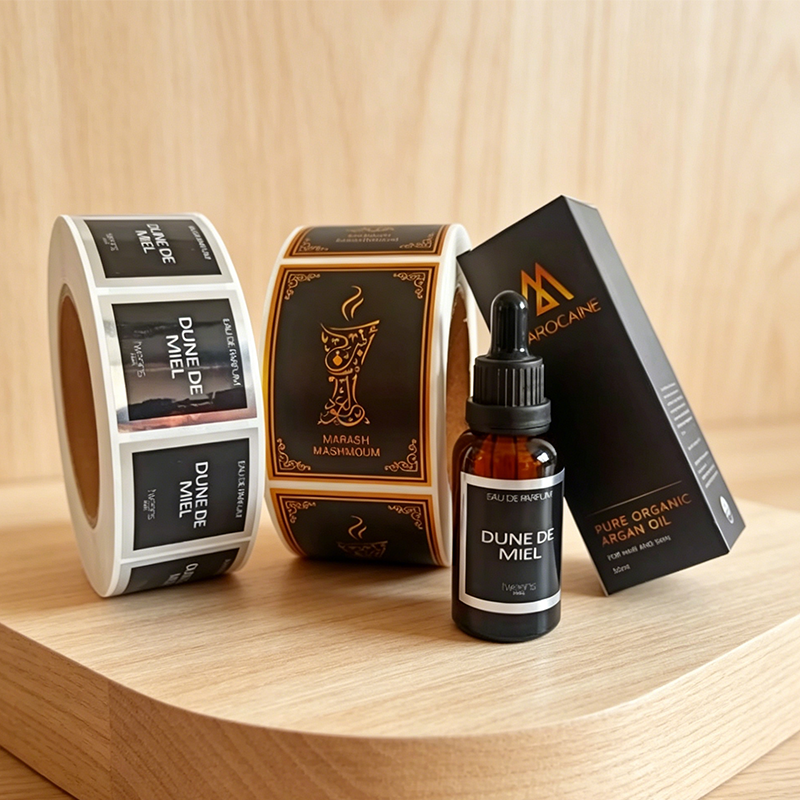
Choosing the right cosmetic label material is essential for protecting both product packaging and brand presentation. For most skincare and cosmetic products, BOPP, PET, and other synthetic film materials are among the best choices because they offer strong resistance to water, moisture, oils, and frequent handling while maintaining high-quality print appearance.
The best cosmetic label material depends on the product formula, container material, storage environment, and desired finish. For example, White BOPP is a practical choice for skincare bottles and jars, while Clear BOPP or PET is better suited to products that require a premium “no-label look” or higher durability.
Cosmetic labels also do more than display a brand name and product information. They may need to present directions for use, precautions, ingredient information, product quantity, and other legally required details, depending on the target market. In the European Union, cosmetic labeling requirements are governed by Regulation (EC) No. 1223/2009 on cosmetic products.
Therefore, choosing a cosmetic label should involve more than appearance alone. The right label combines material durability, adhesive performance, print quality, regulatory information, and the requirements of the product’s packaging environment.
Best Cosmetic Labels: 3 Expert Material Rules You Must Know
1. Match the Label Material to the Container
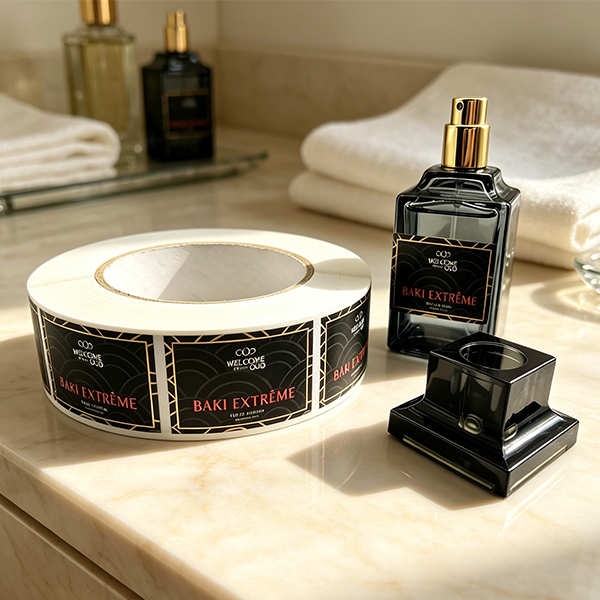
The best cosmetic label material depends partly on the container it will be applied to. Glass, PET, PP, HDPE, and metal containers have different surface properties, flexibility, and curvature, which can affect label adhesion and application performance.
For glass containers, paper, BOPP, and PET labels can provide reliable performance when paired with a suitable adhesive. Glass bottles are commonly used for perfumes, serums, and premium skincare products.
For plastic containers, flexible film materials such as BOPP, PET, or Vinyl are often preferred. They can better conform to curved or squeezable packaging and are less likely to wrinkle when the container is handled or slightly deformed.
For metal containers, film labels can provide good durability and a smooth printed surface, but the adhesive must provide sufficient bonding strength for the specific metal surface.
Therefore, cosmetic label material should be selected according to the container material, surface curvature, flexibility, and surface characteristics. Matching the label construction to the packaging helps reduce edge lifting, wrinkling, bubbling, and poor adhesion.
2. Consider Long-Term Storage Conditions
Cosmetic products may remain in storage and distribution for months or even years. During this time, labels can experience changes in temperature and humidity as products move from manufacturing and transportation to warehouses and retail shelves.
Poorly matched label materials or adhesives can become brittle, lose adhesion, crack, or develop edge lifting over time. These problems can affect both packaging appearance and product identification.
For long-term cosmetic packaging, choose a label construction that can withstand the expected storage and distribution conditions. Film materials such as BOPP and PET generally provide good dimensional stability and moisture resistance, while laminated paper can offer additional surface protection.
The adhesive is equally important. A label that performs well immediately after application may not maintain the same adhesion after prolonged exposure to temperature changes, humidity, or handling.
For this reason, the best cosmetic label solution should be evaluated for the entire product lifecycle—from application and transportation to storage, retail display, and everyday consumer use.
3. Consider Product Usage and Environmental Exposure
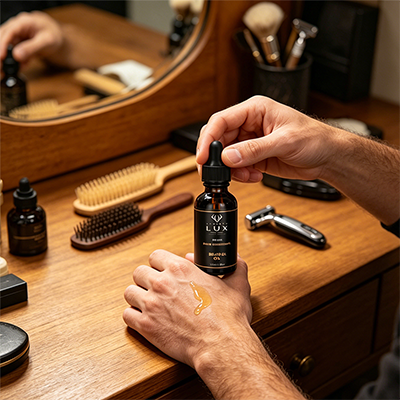
The cosmetic packaging in daily use is exposed to moisture, to chemicals, to pressing and handling.Thus unsuitable label materials can wrinkle, may bleed with ink, tear or deteriorate prematurely.
For products that are exposed to demanding situations, synthetic packaging films are generally preferred over conventional papers.Depending on the required container design and the desired level of use, there are a number of different materials to choose.
BOPP (Biaxially Oriented Polypropylene)
BOPP film is the most commonly used material for cosmetic packaging, offering excellent clarity, moisture resistance and oil resistance.BOPP does not wrinkle or tear, making it the ideal material for rigid bottles, jars, clear containers, and high-volume skincare lines exposed to bathroom environments.
PET (Polyethylene Terephthalate)
PET provides the best dimensional stability and heat resistance in the plastic packaging materials market.It has the highest tensile strength among all packaging materials,also offering the best chemical chemical, oils and abrasion resistance.Therefore, it is suitable for high-end, heavy-duty, or luxury cosmetics that demand exceptional durability.
Vinyl (PVC)
Vinyl stands out for its superior flexibility and conformability. Its high elasticity allows it to stretch and flex without creasing, making it the premier choice for squeezable bottles, curved tubes, and highly contoured containers that undergo repeated squeezing.
Paper
Paper materials provide a classic, tactile, and eco-friendly aesthetic with excellent printability for matte or textured finishes. While inherently vulnerable to moisture and oils, paper labels—when reinforced with protective laminations—work effectively for dry products, outer box packaging, and niche organic cosmetics emphasizing a natural look.
Best Cosmetic Label Materials by Product Type
Matching Product Types, Containers, and Optimal Label Materials
| Cosmetic Category | Target Containers | Recommended Material | Key Features & Benefits |
|---|---|---|---|
| Face Creams & Moisturizers | Glass Jars, Acrylic Tubs, Aluminum Pots | White BOPP | High resistance to oil and moisture; high-tack adhesive prevents edge curling on small curved jar surfaces. |
| Serums & Essential Oils | Glass Dropper Bottles, Frosted Flacons | Ultra-Clear BOPP | Delivers an elegant “no-label look”; repels botanical oil drips and resists formula smudging. |
| Cleansers & Squeeze Tubes | PE Squeeze Tubes, Flexible Plastic Bottles | PE / Conformable Synthetic | High flexibility allows the label to squeeze and recover without wrinkling, creasing, or bubbling. |
| Shampoo & Body Wash | Pump Bottles, Bathroom Dispensers | Waterproof BOPP / Vinyl | Strong resistance to water, humidity, and steam; withstands heavy daily humidity and direct shower water exposure. |
| Perfumes & Fine Fragrances | Glass Flacons, Sleek Atomizers | Clear PET / Metallic Foil | Good resistance to alcohol and common cosmetic formulations; perfect paired with Metallic Hot Stamping & Soft-Touch Matte lamination. |
| Organic Skincare & Balm Jars | Amber Glass, Eco-Paper Boxes, Tins | Textured / Kraft Paper | Provides an eco-friendly, artisanal matte feel (Note: Requires barrier coating for oil resistance). |
Cosmetic Label Material Comparison
| Material | Waterproof | Oil Resistance | Flexibility | Durability | Best For |
|---|---|---|---|---|---|
| White BOPP | Excellent | Excellent | Good | Excellent | Creams, lotions, skincare |
| Clear BOPP | Excellent | Excellent | Good | Excellent | Serums, clear bottles |
| PET | Excellent | Excellent | Moderate | Excellent | Premium & high-durability cosmetics |
| Vinyl | Excellent | Excellent | Excellent | Excellent | Squeeze bottles & curved containers |
| Paper | Low–Moderate | Low | Good | Low | Dry products & premium aesthetics |
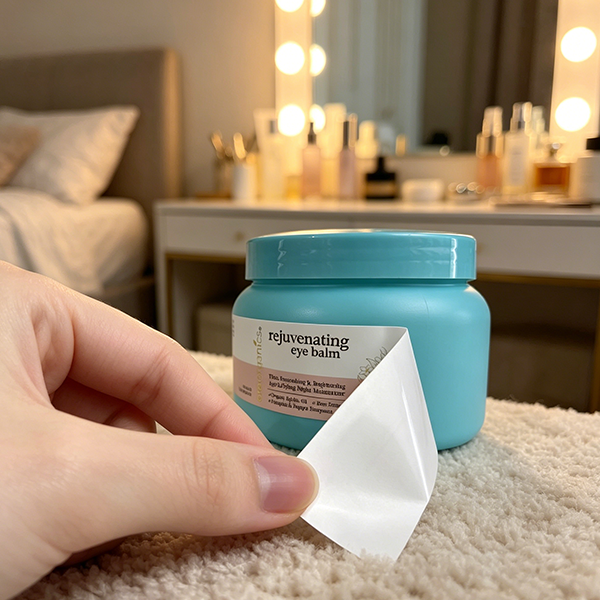
How to Choose the Right Adhesive for Cosmetic Labels
From a label manufacturing perspective the choice of adhesive is crucial to the performance of cosmetic labels.The choice of adhesive has to be matched to the container material,the label material,the formula of the product and the environment where the product is used.
In everyday use of cosmetics,labels may come into contact with lotions, glycerin, plant oils, essential oils and other personal care products.They may also be exposed to water, humidity, temperature changes, and repeated handling. If the adhesive is not suitable for these conditions, the label may develop edge lifting, peeling, or loss of adhesion over time.
For cosmetic packaging exposed to oils and moisture, oil-resistant, water-resistant, or permanent adhesives are commonly preferred. The exact adhesive should depend on the container surface and the conditions the product will experience throughout its lifecycle.
Permanent Adhesive
Permanent adhesives provide strong initial tack and reliable long-term adhesion. They are suitable for many skincare products, including cosmetic jars, bottles, shampoo containers, and other packaging intended for long-term retail use.
Oil-Resistant Adhesive
An adhesive with good oil resistance is required for products containing oils ,lotions ,etc.This type of adhesive will ensure the labeling performs adequately when exposed to the product over time.Specialty adhesive are needed for curved, flexible or low-surface-energy products.
High-Tack or Flexible Adhesive
Specialty adhesive solutions may be needed for curved, flexible, or low-surface-energy containers.In these cases higher tack or more flexible labels are required in order to get the label to stick to the container.In addition,in order to resist edge lifting when the package is squeezed or repeatedly handled.
These applications may require a higher-tack or more flexible adhesive that can maintain contact with the container surface during squeezing and repeated handling.
Custom Printing & Finishing
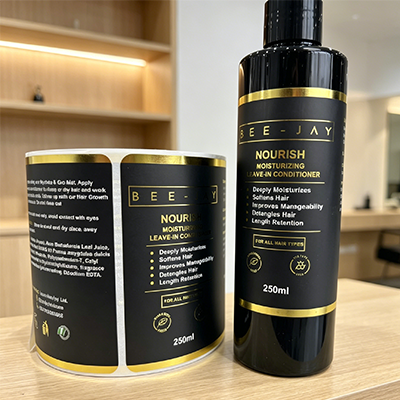
Hot Stamping & Silvering Process
- Metallic Finish: Transfers premium metal foil using heat and pressure to create a high-grade metallic luster.
- Brand Enhancement: Ideal for highlighting logos and product names on luxury skincare and cosmetics.
- Special Effects: Laser and frosted hot stamping options offer unique visual and optical textures.
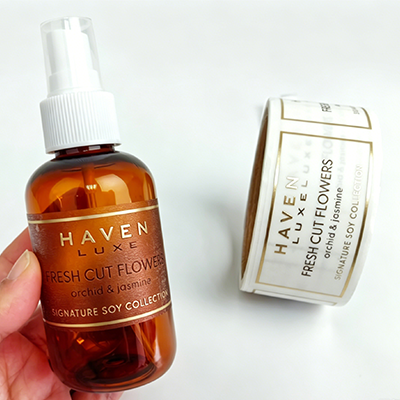
Embossing Process
- Tactile Dimension: Creates 3D raised patterns and logos that eliminate the monotony of flat labels.
- Durable & Clean: Ink-free pressure molding provides long-lasting, fade-resistant, and wear-resistant textures.
- Application: Perfect for minimalist, natural, and niche high-end beauty packaging.
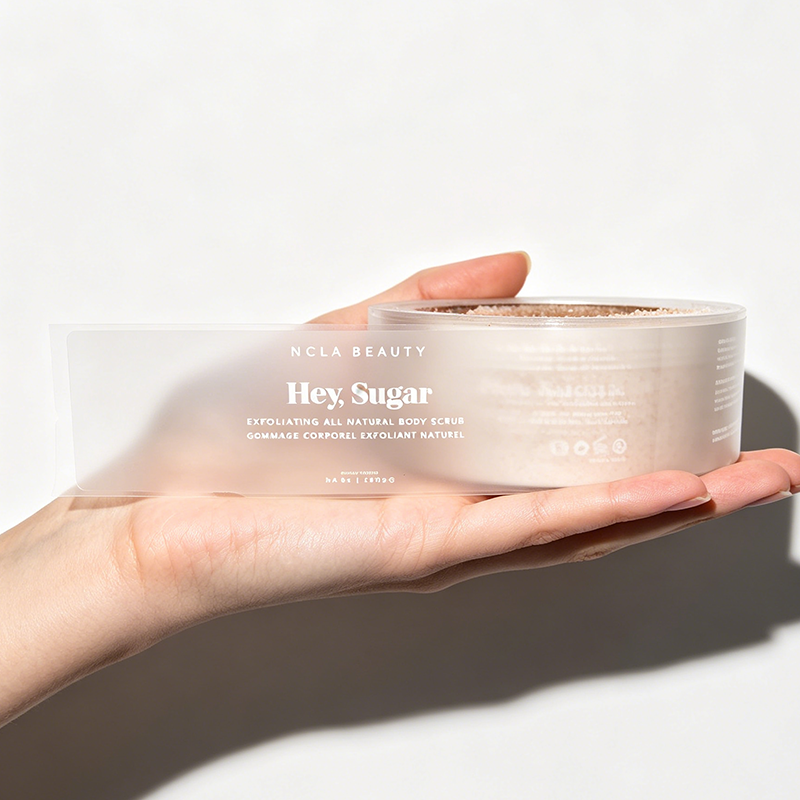
Lamination Process
- Surface Protection: Essential barrier to shield labels against water, oil, scratches, and everyday wear.
- Finish Options: Choose High Gloss for vibrant colors, or Matte/Frosted for anti-fingerprint, low-key luxury.
- Complete Solution: Pairs perfectly with custom tuck end boxes or packing boxes and bags.
FAQ
What is the best material for cosmetic labels?
The best material for cosmetic labels depends on the product environment. White BOPP is commonly used for skincare bottles because it is waterproof and oil-resistant, while clear BOPP is preferred for premium products requiring a no-label look.
Are BOPP labels waterproof
Yes. BOPP labels are waterproof and resistant to moisture, making them suitable for cosmetics used in bathrooms or humid environments.
What is the difference between BOPP and PET cosmetic labels?
BOPP provides excellent moisture resistance and cost efficiency, while PET offers higher durability and resistance to chemicals and temperature changes.
What is the difference between BOPP and Vinyl labels for cosmetics?
BOPP is thinner, highly rigid, crystal clear, and cost-effective for high-speed automated machine application. Vinyl is thicker, highly flexible, and outdoor-durable, making it better suited for squeeze bottles or heavy-duty chemical containers rather than high-end cosmetic packaging.
How do I ensure my label print stays clear against oily creams and active botanical acids?
Always apply a protective surface lamination over your print. A matte or soft-touch lamination repels finger oil smudges while delivering a velvet-like sensory feel, whereas a gloss lamination provides maximum barrier protection against formula spills.
Can clear cosmetic labels achieve a true “no-label look” on frosted glass containers?
Yes. By pairing Ultra-Clear BOPP film with a high-clarity permanent acrylic adhesive, the label substrate virtually disappears on the glass, leaving only your printed artwork and metallic hot foil embellishments visible.

Need Help Customizing Your Own Packaging Design?
Whether you need Cosmetic Labels, Wine Labels, Food Labels, or Custom Adhesive Stickers, our experts can recommend the best material based on your product, application, and budget.