
Frozen Food Label Guide: How to Label Frozen Products & Packaging
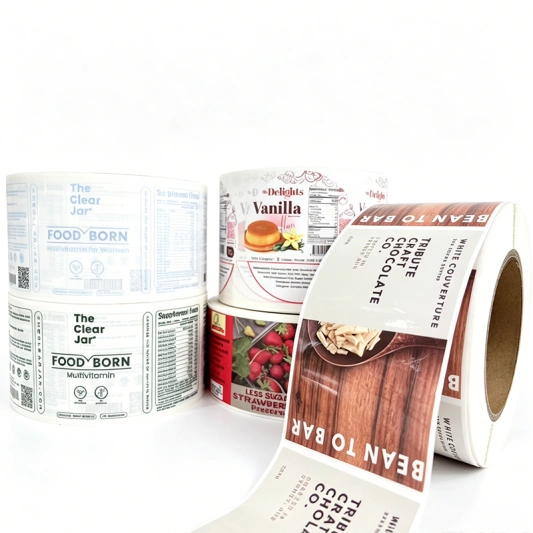
Food safety is a global concern.We have made strict food safety laws in China and other countries.Because frozen foods are stored for a long time, they are easy to get contaminated by bacteria.Consequently, they must clear more stringent food safety testing and inspection rules.
This is where frozen food labels come into play—they are vital tools to track food safety and transparently display essential product information.
Frozen food labels must comply with FDA and EU food labeling regulations, including ingredient lists, allergen declarations, nutrition facts, net quantity, storage instructions, and manufacturer information. Labels should also withstand freezing temperatures, moisture, and condensation with durable waterproof materials and freezer-grade adhesives.
To survive the harsh conditions of cold chain logistics, these specialized cold chain labels are engineered to prevent moisture damage, ensuring that high-quality printing remains clear, legible, and compliant with all industry standards over time.
Can Coated Paper Be Used for Frozen Food Labels?
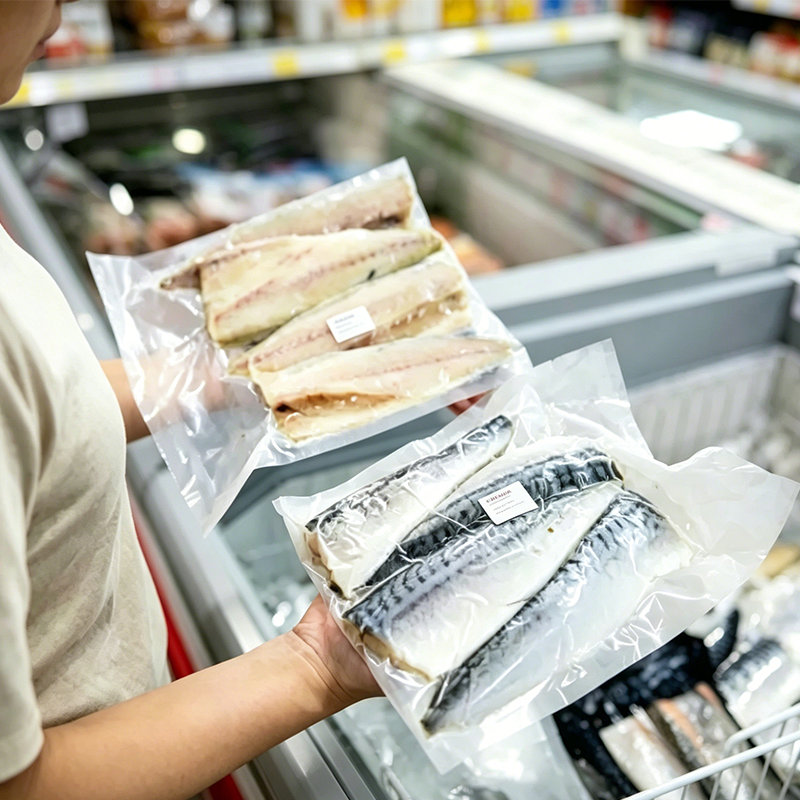
The answer is that it is strongly not recommended to use coated paper as label surface material because the paper has poor physical toughness.
Once we put paper labels into a low-temperature storage or cold chain transportation environment.They quickly become hard and brittle in low temperatures. Slight pulling can easily make them crack or break. In addition, in a high-humidity environment, it will quickly absorb moisture from the air and condense on the surface.
This will not only cause large areas of printed text on the surface to be blurred and colors to fade and will directly lead to scanning errors on product barcodes and traceability QR codes, making these codes difficult to identify.
After long-term exposure to moisture, the labels will turn soft, wrinkled, bulged and curled.They can no longer maintain stable adhesion on all kinds of frozen food packaging surfaces.
These problems will directly cause the loss of key core food safety information and difficulty in identification.It neither meets the standards for the compliance of prepackaged frozen food labels, but also seriously affects the traceability of product circulation.
According to the Nutrition Labeling and Education Act of 1990,NLEA and Title 21 CFR, information transparency must be ensured, misleading must be avoided, and consumers’right to know must be protected. As a custom sticker manufacturer, Pure-easy provides wholesale frozen food labels and industrial-grade custom services for global cold chain brands.
Selection of Surface Materials Suitable for Frozen Food Labels
The surface material directly determines the durability of the label. Choose a special material that is resistant to low temperature, condensation water, and grease.Specific choices are shown in the table below:
| Label Material Type | Core Characteristics | Applicable Scenarios |
|---|---|---|
|
PP Synthetic Paper
polypropylene synthetic paper
|
|
|
|
PET Film
polyester film
|
|
|
|
PE Film
polyethylene film
|
|
|
How to Label Frozen Food: Temperature and Adhesion Control
You put the label to the package at room temperature and then send it to be frozen. Or you put the label directly on the frozen package.
You may not have noticed that many labels have minimum labeling temperatures and usage temperatures.
When you attach labels, strictly control the ambient temperature and humidity. Label at approximately 20℃, maintaining the relative humidity between 40% and 60%.
We also need to focus on the glue curing process. Usually, it takes more than 24 hours for the glue to fully solidify.
Avoid freezing the glue before it solidifies, causing the label to peel off. Adhesives on self-adhesive labels turn hard and brittle in low temperatures.
Moisture or frost on package surfaces also makes labeling much harder. When you stick labels on frozen food plastic bags and then move them to normal surroundings, big temperature differences make the packages to expand and shrink. This change can easily cause the labels to curl and come loose.
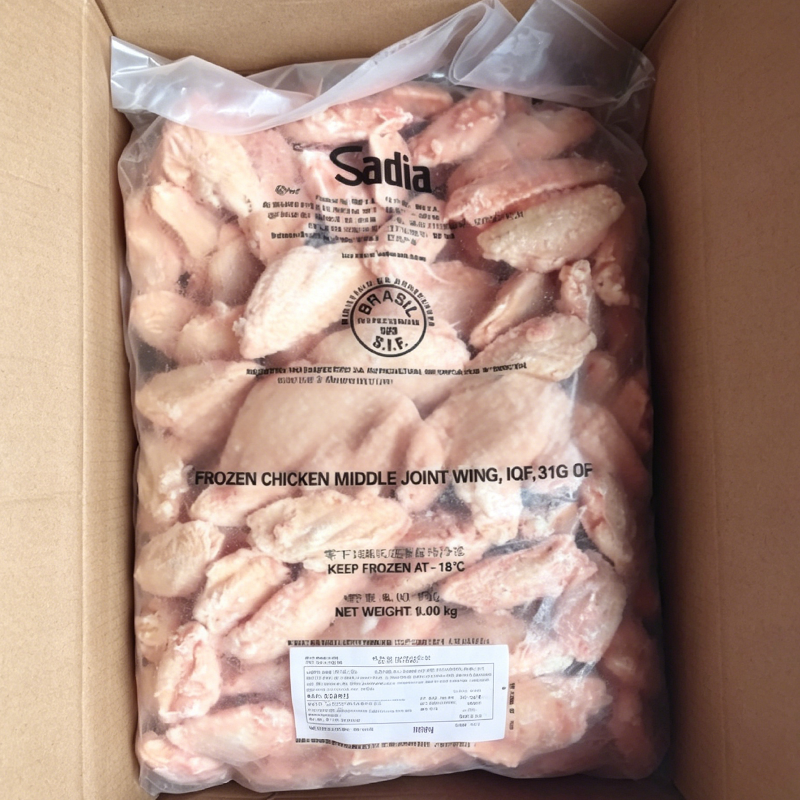
Avoiding the Pitfalls of Low-Temperature Adhesives
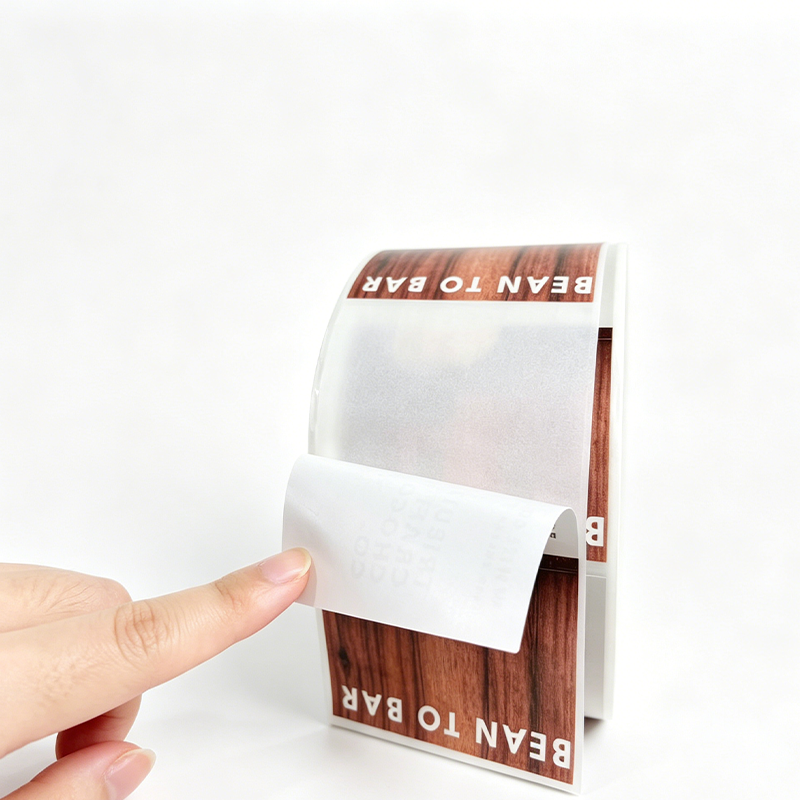
Choosing low-temperature-resistant glue can effectively avoid this situation.The following will explain to you how to choose high-quality glue.
1.Good low-temperature adhesion
It stays soft and sticky at -20℃ or even lower temperatures. It will not turn brittle or lose adhesion. It keeps labels firmly attached during cold storage and fits well with low-temperature storage for frozen food.
2.Strong initial adhesion
It can stick tightly quickly even if there is slight condensation on packaging surfaces. You do not need to wait until packages are totally dry. It works well in damp labeling environments and prevents labels from falling off due to weak sticking.
2.Strong initial adhesion
It can stand temperature changes during transportation, storage and sales of frozen food. It still keeps stable stickiness after repeated freezing and thawing without edge curling or falling off. It also fits common glue curing processes and dries fast under different temperature and humidity to ensure good sticking performance.
Important reminder
Do not use ordinary normal-temperature glue with low-temperature resistant label materials just to cut costs. Mismatched glue and materials will still cause labels to fall off easily.
FAQ
What information is required on frozen food labels?
What type of labels are best for frozen food packaging?
Why do regular paper labels fail on frozen products?
What adhesive should be used for frozen food labels?
Can frozen food labels be printed with custom designs and finishes?
How can I choose the right material for frozen product labels?
What is the Minimum Order Quantity (MOQ) for custom frozen food labels?

Need Help Customizing Your Own Packaging Design?
Whether you need Cosmetic Labels, Wine Labels, Food Labels, or Custom Adhesive Stickers, our experts can recommend the best material based on your product, application, and budget.