
Die Cut vs Kiss Cut Stickers: What’s the Difference?
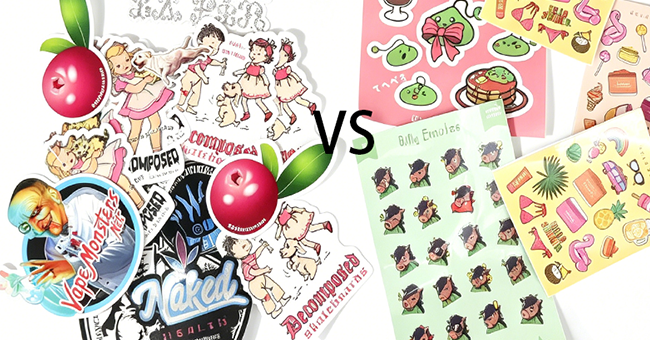
When you buy self-adhesive stickers, do you often see the words “Die Cut” and “Kiss Cut”?
- Die Cutting (Through Cut): Die cutting uses a custom blade to cut completely through all layers of the printed material, including both the face stock and the backing paper. Each sticker is fully separated and individually shaped.
- Kiss Cutting (Half Cut): Kiss cutting precisely cuts through the top printed layer (face stock) while leaving the backing paper completely intact. The stickers remain attached to a shared backing sheet rather than being individually separated.
Does everyone know the specific difference between them? If you don’t understand the core differences between the two cutting processes, you can only blindly choose based on experience when purchasing.
In this way, it is easy to select stickers that do not meet product requirements, causing various packaging problems. This article will clearly dismantle the differences between the two processes and solve your selection problems.
In fact, most problems such as warping, falling off, lack of appearance, and poor adaptability of stickers are essentially caused by a lack of understanding of the two mainstream cutting processes of die-cutting and half-cutting, and the inability to accurately select products based on the actual scene.
Therefore, clarifying the core characteristics, advantages, disadvantages and applicable scenarios of the two processes is the key for merchants to improve the quality of packaging, ensure the stability of sticker use, and reasonably control production costs.
What is A Die Cut Sticker?
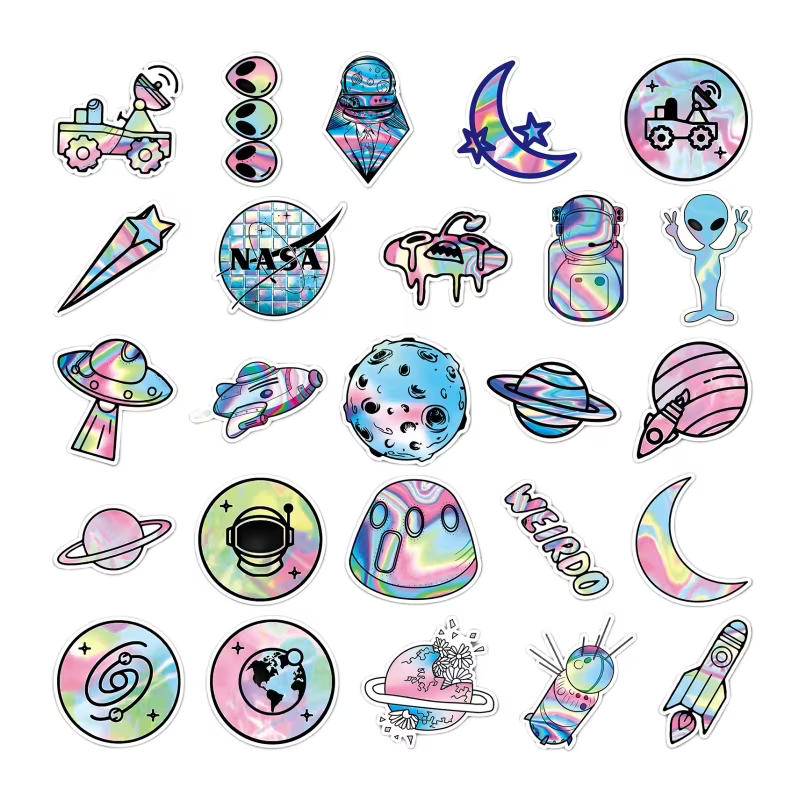
Die cut stickers are a common type in self-adhesive label processing.The die-cutting process uses a special die-cutting tool to cut off the label surface layer.
Cut off the label surface layer, adhesive layer and backing paper layer all at once. Just like using a cookie mold to press the dough when baking cookies, you can press out a complete and regular independent cookie shape at one time.
After processing, each label can be peeled off individually. No more extra transparent corners and bottom paper borders. Its biggest feature is that it is customizable, so you can have whatever shape you want.
Create various irregular shapes such as round, square, special-shaped, logo-specific shapes, etc. according to brand needs.
The label is overall clean and neat, with a stronger visual integrity and greater recognition. Since the whole piece is completely cut, the edges will be flat after pasting and there will be no corner warping.
The die-cut label structure is more stable, and its good toughness and sealing performance can adapt to worse use environments.
It performs well in logistics and transportation, as well as in low-temperature freezing and high-humidity environments. It is not prone to damage and failure due to corner wear and tear, and its durability is significantly better than ordinary cut labels.
What is A Kiss Cut Sticker?
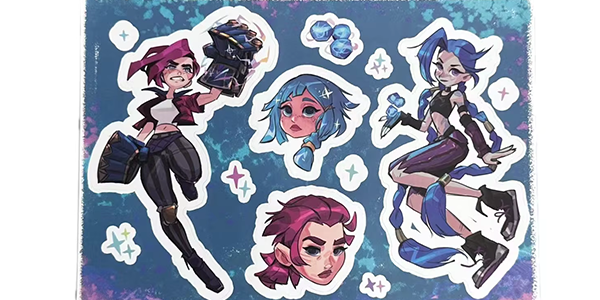
Kiss cut stickers, also called light-cut labels, are another cutting process that is different from die-cutting.
Unlike die-cutting, the cutting tool will only cut the surface material and adhesive layer without scratching the underlying backing paper.
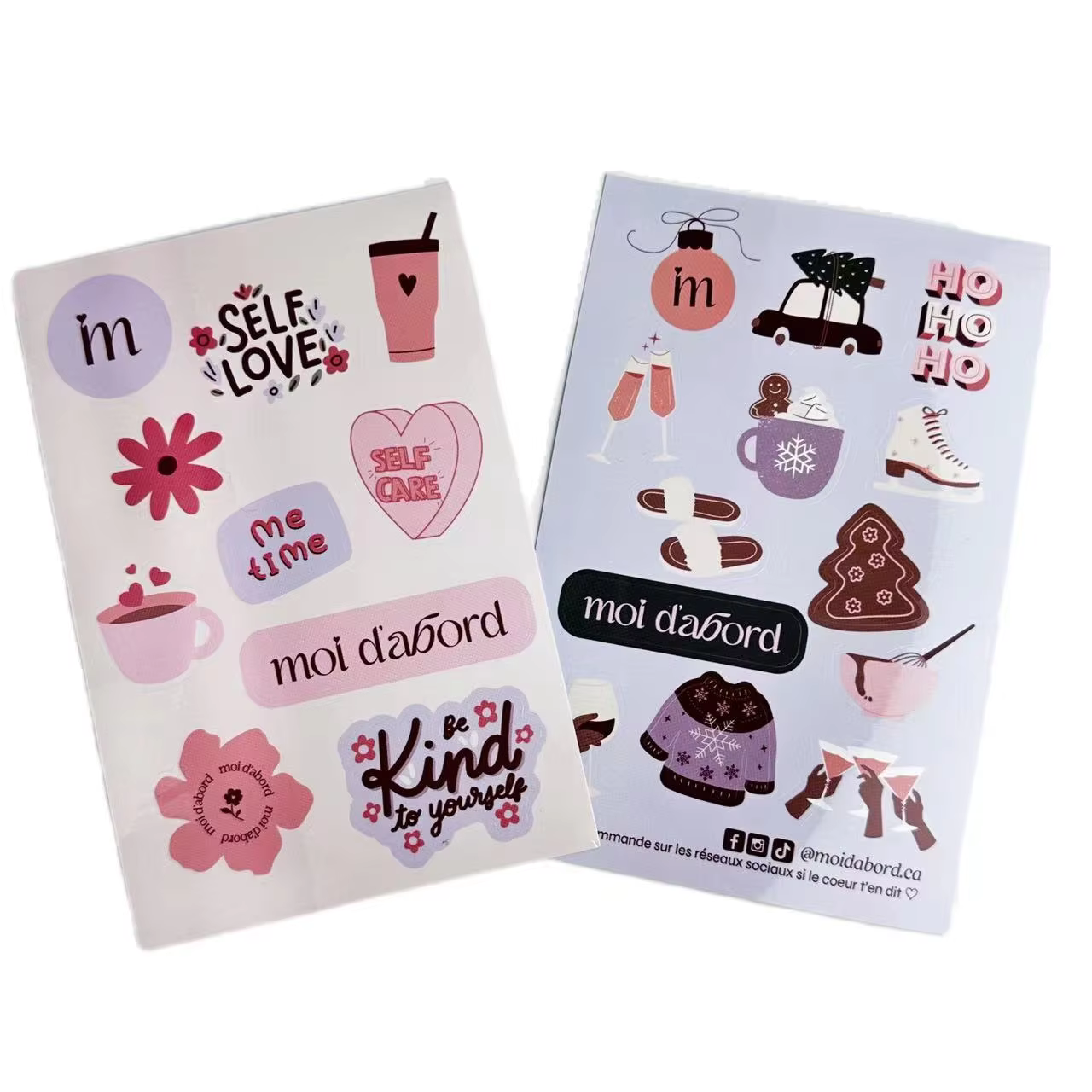
It accurately pre-cuts the pattern into a square or rectangular shape while retaining the integrity of the base paper. Make it appear in a full-page arrangement with borders, which is not easy to scatter and easy to peel off with bare hands.
When we use it, we only need to gently press and peel off the top label to remove the label from the complete backing paper. Simple and convenient operation, suitable for manual labeling and small automatic labeling equipment.
This process is mostly used for labels with regular shapes such as regular squares and circles, and is rarely used for complex special-shaped shapes. This kind of label retains the thinner corners and weaker toughness of the label after the label is pasted. If it is exposed to harsh environments for a long time, such as low temperature, high humidity, humidity or logistics scenarios with repeated friction.
The edges of labels are more likely to get water and dust, causing problems such as warping, wrinkling, and falling off.
At the same time, due to process limitations, its shape is single and the degree of brand customization is low. It lacks visual recognition and high-end feel, and is more suitable for conventional general-purpose packaging scenarios.
Die Cut vs Kiss Cut Sticker:Quick Comparison Table
| Comparison Item | Die Cut Stickers | Kiss Cut Stickers |
|---|---|---|
| Core Cutting Principle | Cuts all layers of the sticker completely, including face stock, adhesive layer, and backing paper. | Cuts only the face stock and adhesive layer, keeping the backing paper fully intact and continuous. |
| Shape & Visual Feature | Fully customizable any shape, no extra border or blank space, delivering a clean and neat overall look. | Typically regular shapes, with a backing paper border, neatly arranged in rows. |
| Key Advantages |
1Unique custom design for exclusive brand identity.
2Tight sealed edge, no curling, peeling, or dust accumulation.
3High durability in harsh cold, wet, and long-distance transport environments.
|
1Lower production cost, higher mass production efficiency.
2Easy to peel off by hand, fast and convenient for labeling.
3Perfect for standardized bulk production of regular labels.
|
| Main Disadvantages |
1Higher production cost than kiss cut stickers.
2Harder to remove completely without leaving adhesive residue.
|
1Weak edge toughness, easy to curl, peel off, or get damaged in cold/wet environments.
2Very limited shape customization; no support for complex brand designs.
|
| Best Applicable Scenarios | High-end products, frozen food, long-term storage goods, export food, custom brand packaging. | Regular low-cost products, temporary promotional items,daily necessities labels, short-term use products. |
| Cold & Humidity Resistance | Excellent: Maintains stable adhesion at -20°C ~ -40°C and high humidity for a long time. | Fair: Only fits short-term low-temperature use, easily loses adhesion after long-term freezing. |
How to Choose the Right Option for Your Brand?
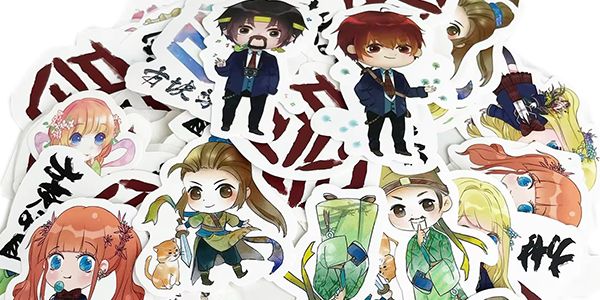
Custom-shaped die-cutting creates a unique brand recognition, helping your packaging stand out from generic designs.
At the same time, getting rid of homogeneous packaging can leave a deeper impression on customers.
The full cutting process has strong sealing performance, is resistant to low temperature, high humidity and friction, and effectively prevents edges from warping and falling off.
Ideal for frozen and exported food, it can ensure complete label information and meet compliance requirements throughout the process.
For standard, budget-friendly products with simple shipping and storage needs, cost-effective kiss-cut labels are a great choice.
The half-cut process has lower processing costs and higher production efficiency, and is suitable for large-scale standardized production. Convenient peeling can also effectively improve labeling efficiency.
These features make it more suitable for short-term, routine use scenarios such as regular food and temporary promotional labels.
FAQ

Need Help Customizing Your Own Packaging Design?
Whether you need Cosmetic Labels, Wine Labels, Food Labels, or Custom Adhesive Stickers, our experts can recommend the best material based on your product, application, and budget.