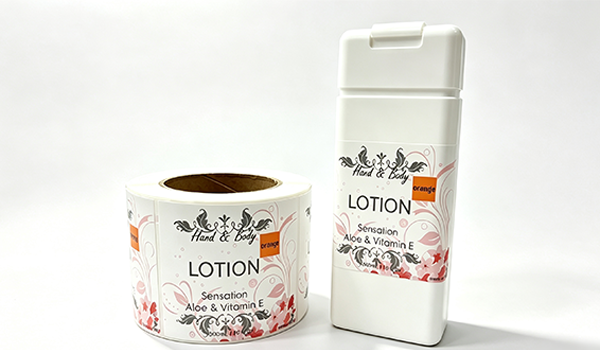
Custom Lipstick Labels
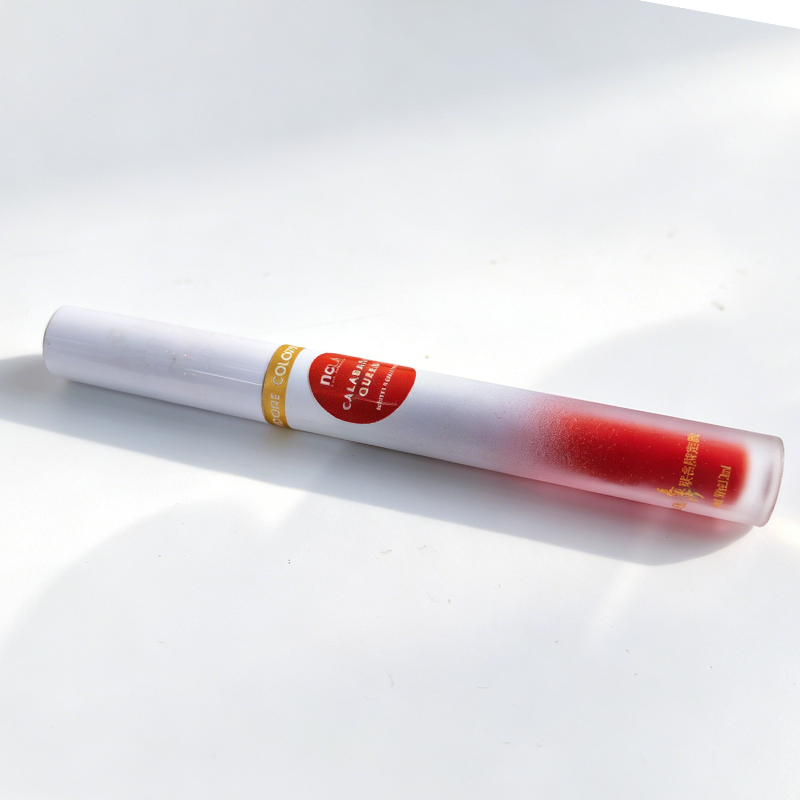
Labels for Lipstick Tubes & Shade Identification
Custom sizes and shapes for tube branding and base shade labels. Share the available label area and packaging surface to discuss a suitable material and adhesive.
Material & Finish Sample Support
Compare clear, white or metallic label options with your preferred finish. Request available samples to assess appearance, small-text readability and fit on your actual packaging.
Quotes for Multiple Shades & Product Lines
Send the shade names or codes, artwork and quantity per design. Include hand or machine application requirements so each version and its production specifications can be reviewed.
Request a Custom Label Quote
Why Choose PrintPacking for Custom Lipstick Labels?
ISO9001 Quality Control
Dust-free printing environment ensuring pristine surface finish for luxury skincare containers.
Eco & Non-Toxic Materials
Skin-safe inks and recyclable adhesive stocks compliant with international beauty packaging standards.
Free Beauty Sample Kit
Request a free sample pack to test foil textures, oil resistance, and adhesion on your bottles.
Direct OEM/ODM Factory
20+ years of custom cosmetic label manufacturing with low MOQ and fast bulk turnaround.
Product Introduction
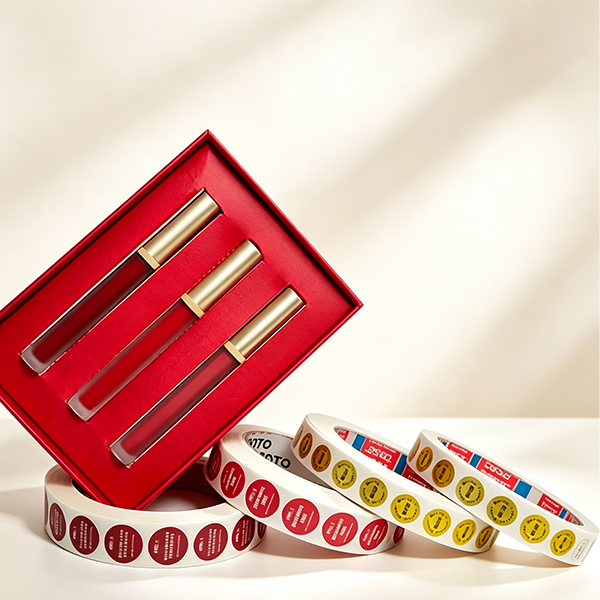
Product Materials
Small packaging leaves little room for error. Plan the label position, artwork and material together so your brand details and shade information work on the actual lipstick tube.
Tube Branding & Base Shade Labels
Choose from a range of label shapes including inferences from the tube body itself down to small color coded stickers at the base of the tube. Consider the size and adhesive required taking into account curved walls, recessed bases and surface coatings.
Before quoting: Send tube and base photos, available label dimensions, and details of the packaging surface.
Readable Details Across Every Shade
Shade names, codes and brand information must be readable atfinal print size and it is possible to add contrast to information printed in reverse on clear or metallic ground using selective white print.
Before approval: Review each shade version at actual size, including small text, white ink areas and any foil details.
Materials for Handling & Product Contact
Label surfaces and edges can be affected by handling, rubbing and coming into contact with cosmetic residues. Choose a film,ink, over print varnish and adhesive as a single package for your use with packaging.
Before production: Assess adhesion, print appearance and rub resistance on your actual tube under agreed sample-test conditions.
Product Materials
Start with the label position and desired appearance. Then compare the material, adhesive and protective finish on your actual lipstick packaging, especially for small base labels and curved tube surfaces.
| Label Requirement | Options to Evaluate | What to Confirm |
|---|---|---|
| Readable Base Shade Labels | White BOPP or an opaque PET construction. | Available flat area, text size, contrast and adhesion within any recessed base. |
| Visible Tube Color | Clear BOPP or clear PET with selective white ink. | Text contrast against the packaging, label edges, and fit on the tube. |
| Metallic or Reflective Details | Silver PET, holographic film, or a suitable material with foil accents. | Reflective areas, white ink coverage, small lettering and rub performance. |
| Matte Appearance | A matte film or a compatible matte protective finish. | Glare, color appearance, surface feel and handling marks on the finished sample. |
| Paper Appearance or Texture | Art paper, textured paper or kraft paper. | Suitability for the selected placement, edge wear, and expected contact with cosmetic residue. |
Explore Material Options
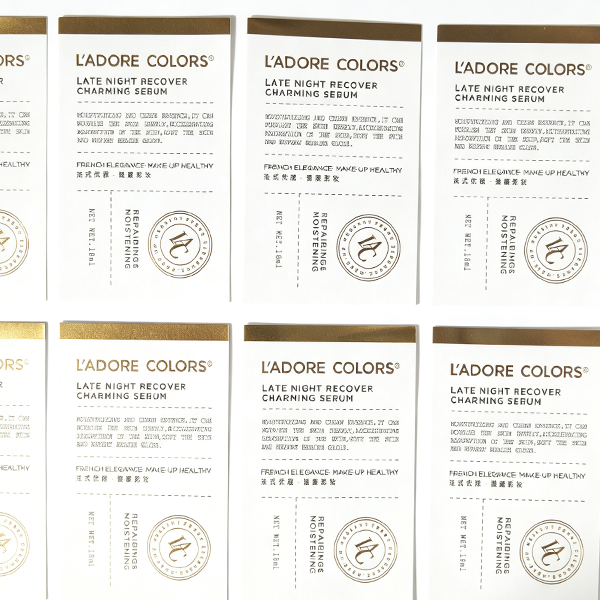
Art Paper
A smooth, opaque paper option for printed branding and shade information. Consider a protective finish where rubbing or occasional cosmetic contact is expected.
Sample check: Review small text, edge wear and suitability for the intended label position.
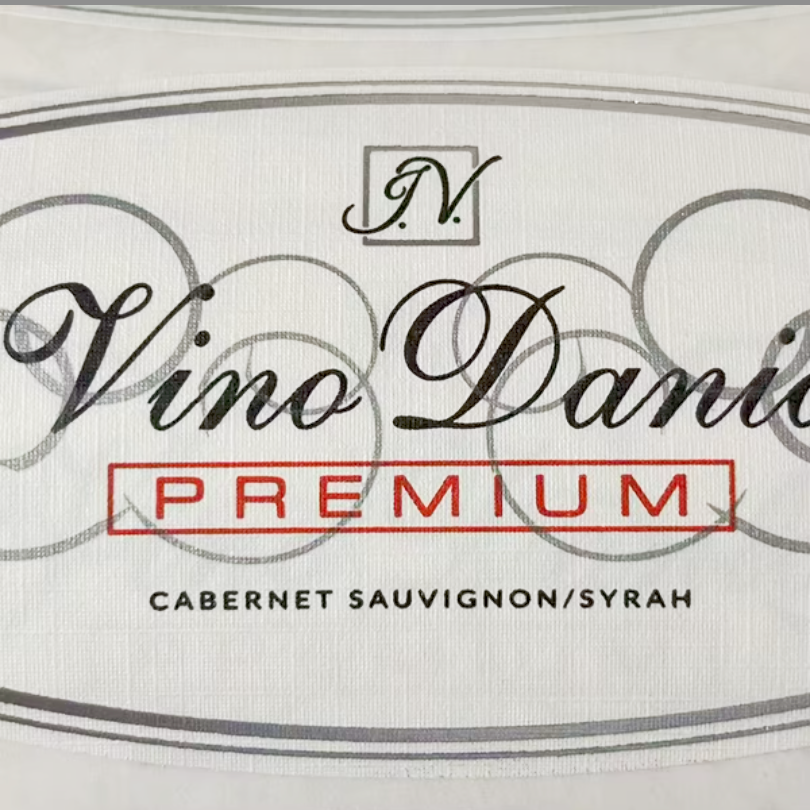
Textured Paper
A tactile option for decorative labels or outer packaging. The surface texture should be considered when using fine text, foil or embossed details.
Sample check: Compare texture and detail at the final label size.
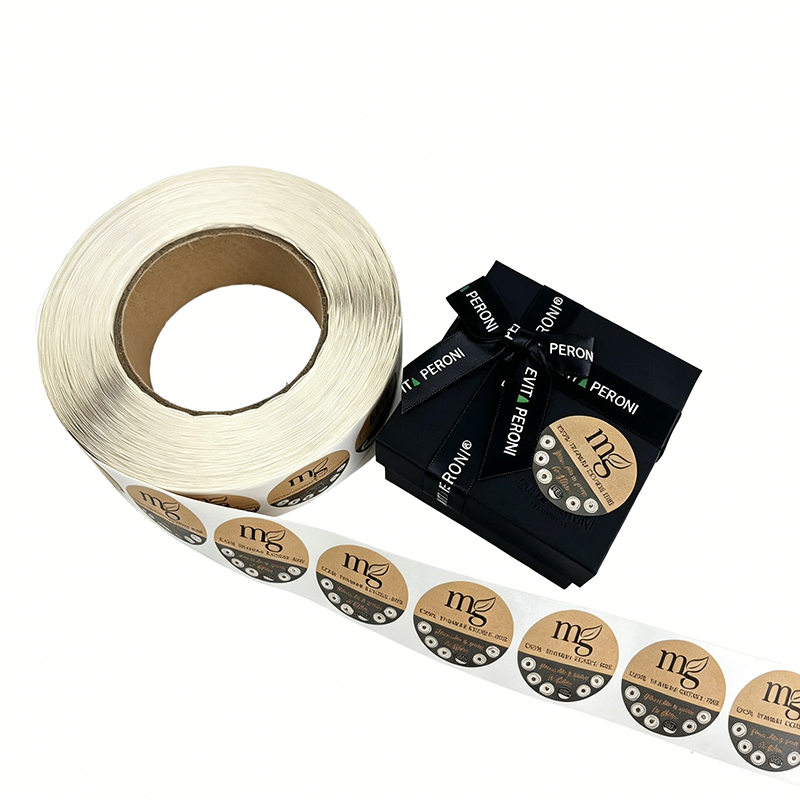
Kraft Paper
A brown paper appearance for a natural visual style. Its base color affects printed shades and contrast; it does not by itself establish environmental credentials.
Sample check: Review color reproduction, text contrast and expected handling conditions.
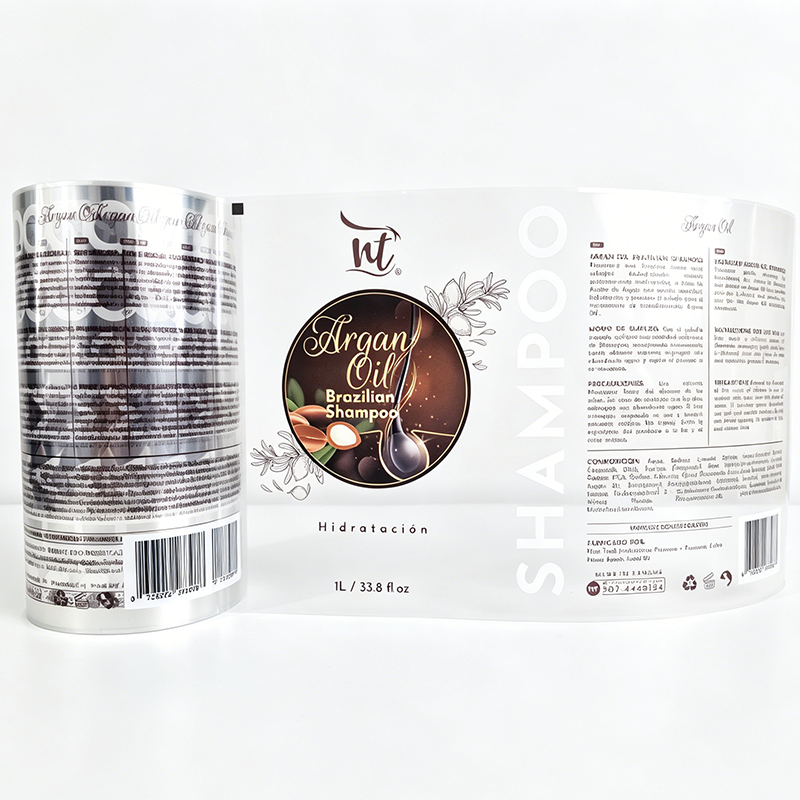
Clear BOPP
A transparent film option that allows the tube color to remain visible. Selective white ink can provide contrast behind lettering and printed color areas.
Sample check: Check clarity, text contrast and edge adhesion on the actual tube.
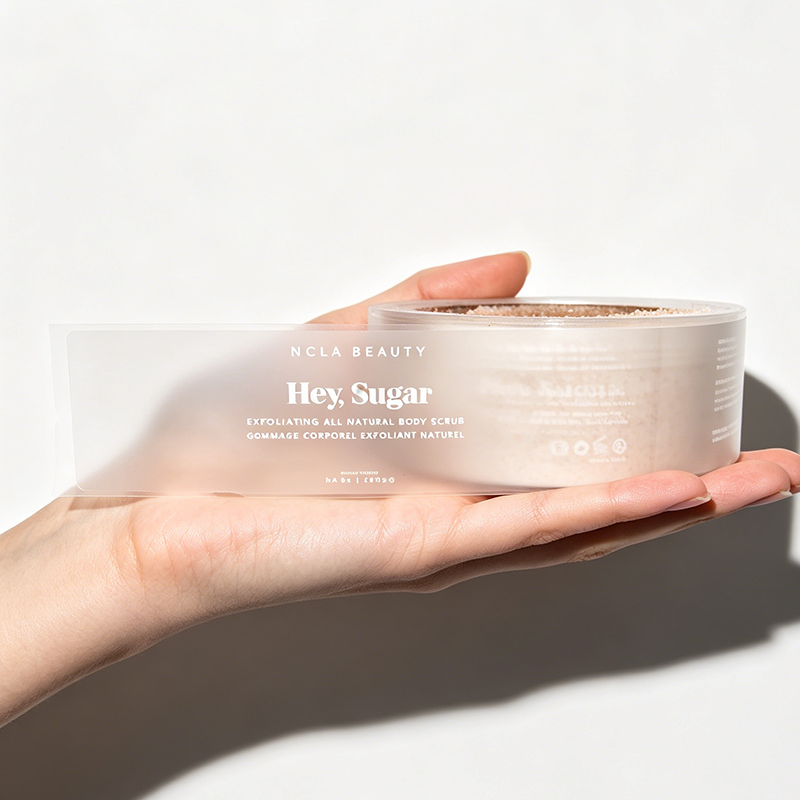
Matte BOPP
A matte appearance may come from the film surface or an added finish. Specify the proposed construction when comparing appearance and handling performance.
Sample check: Review glare, color, rub marks and surface feel.
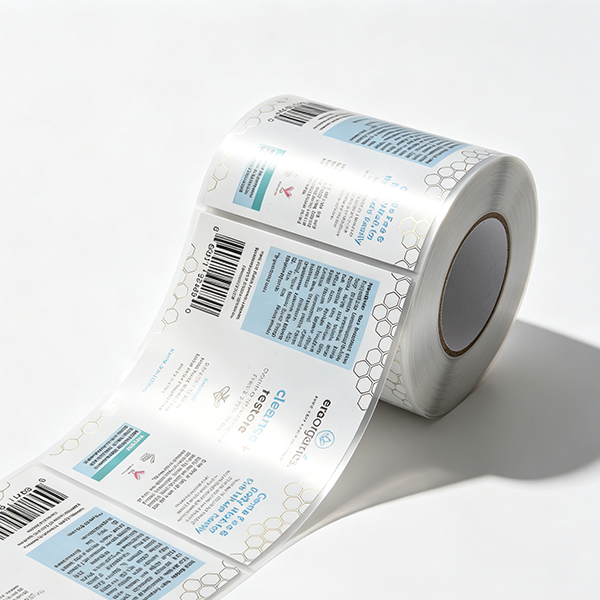
White BOPP
An opaque white film base to evaluate for shade names, codes and brand graphics. It provides a white background for artwork on dark or colored packaging.
Sample check: Confirm small-text readability, opacity and adhesion at the selected placement.
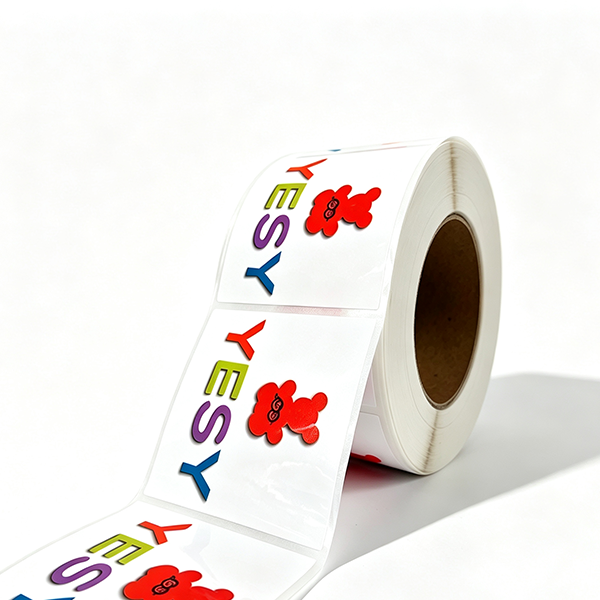
PET Film
Clear and opaque PET constructions offer different visual options. Specify the required appearance, thickness and adhesive rather than selecting by material name alone.
Sample check: Evaluate fit and edge lift on small curves or recessed bases.
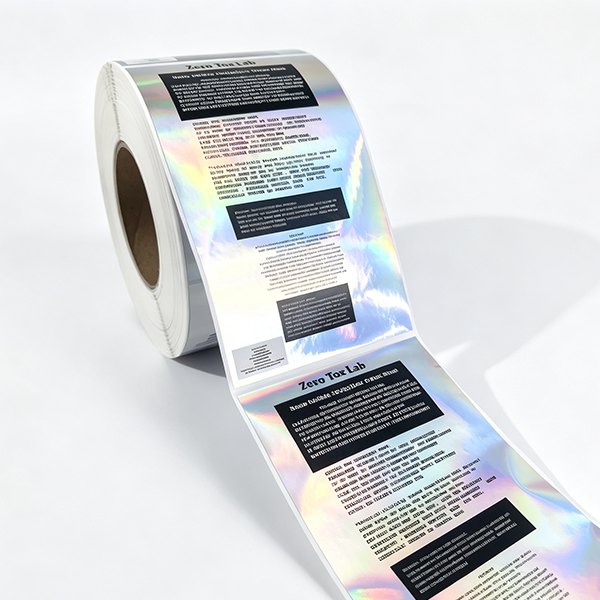
Holographic Film
A shifting reflective background for decorative branding. White ink can help separate readable text and opaque colors from holographic areas.
Sample check: Check shade-code readability under different lighting and viewing angles.
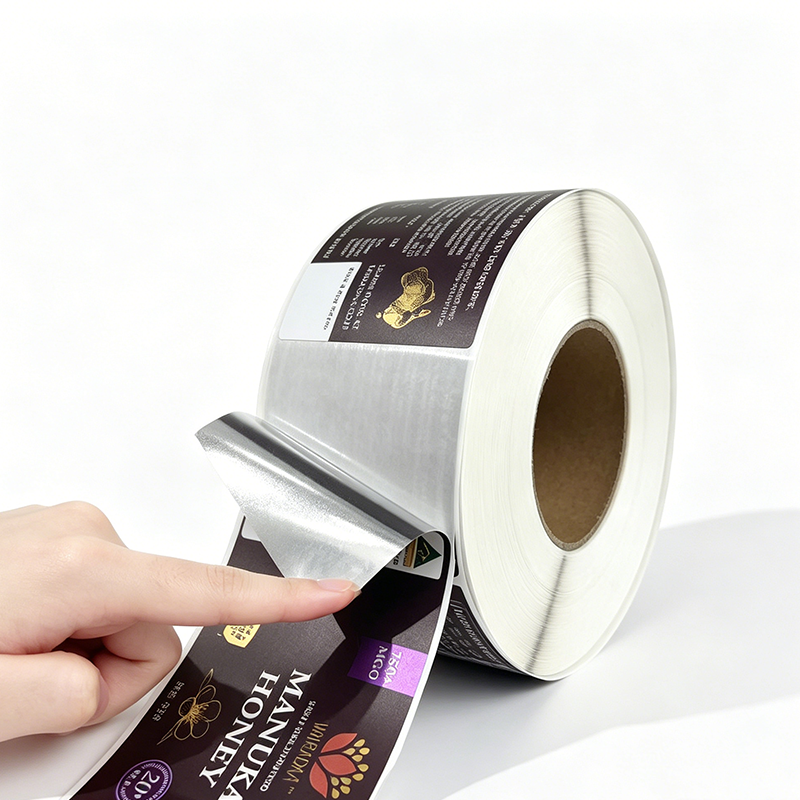
Silver PET
A metallic base for silver backgrounds and printed metallic effects. Selective white ink can preserve opaque text or color areas within the design.
Sample check: Review reflection, fine lettering, rub performance and bottle-surface adhesion.
Need help choosing? Send a photo of the tube and base, the available label area, packaging material or surface treatment, and your quantity per shade. Confirm the complete label construction on your actual packaging before approving bulk production.
Lipstick Label Printing & Production Process
From tube measurements to shade-by-shade artwork approval, each stage helps define the label construction, printed details and delivery format for your order.
-
STEP 01
Confirm Placement & Label Specifications
Start with the actual packaging. Tube branding and small base shade labels have different space and adhesion requirements, particularly on curved walls or recessed bases.
- Measurements: Provide the available label area, dimensions and preferred shape.
- Surface: Identify the packaging material and any coating, texture or surface treatment.
- Application: Confirm hand or machine application and the quantity required for each design.
-
STEP 02
Review Artwork & Shade Versions
Organize each shade as an identifiable artwork version. Review the design at its final label size before approving the files for printing.
- Version matching: Match each file to its shade name, code, label size and order quantity.
- Readability: Review small lettering, fine lines and any barcode included in the artwork.
- Special layers: Identify white ink, foil and embossing areas separately where required.
-
STEP 03
Confirm Printing, Finishes & Samples
Select the printing method and finishing combination around the material, artwork and quantity. Agree on any physical sampling needed before bulk production.
- Color reference: Specify CMYK or Pantone requirements and agree on the reference used for approval.
- Surface effects: Review matte or gloss finishes, metallic details and tactile effects as applicable.
- Packaging checks: Assess fit, adhesion and handling performance on the actual tube under agreed conditions.
-
STEP 04
Die-Cut, Inspect & Pack by Version
Use the approved specifications to define cutting, inspection and packing requirements. Keep shade versions clearly identified for receiving and use.
- Cutting: Confirm the label outline and its alignment with the printed artwork.
- Roll format: For machine application, confirm winding direction, core size, roll diameter and label spacing.
- Packing reference: Agree on shade identification, quantities and the specifications retained for repeat orders.
What to Prepare for Artwork Review
Print-Ready Artwork
Supply AI or print-ready PDF files where available. Include linked graphics and outline fonts, or provide fonts where licensing permits.
Shade & Quantity List
Match each shade name or code to its artwork filename, label dimensions and quantity. Clearly identify revised versions.
White Ink & Decorative Layers
Mark white ink, foil, spot UV and embossing areas on separate, clearly named layers where these effects are required.
Final-Size Layout
Provide the intended cutting outline. Confirm bleed and safe margins during file review, and check all text at the final printed size.
Product Specifications
| Product | Custom Lipstick Labels |
| Size | Width x Height (mm) / According to customers’ specific requirements |
| Color | CMYK or Pantone |
| Artwork Format | CorelDraw, Adobe Illustrator, PDF, PhotoShop |
| MOQ | 500PCS |
| Finishing | Glossy or Matte Lamination, UV spot, Foil hot stamping, Embossed, UV varnish |
| Supply Ability | 5,000,000pcs per week |
| Place of Origin | Pudong District, Shanghai, China |
| Other Product We Can Make | Beverage labels, Cosmetic labels, Commodity labels, Logistics labels, Wine Bottle Label, QR code labels, Anti-counterfeiting labels, Holographic labels, Transferable labels, Metal labels |
FAQ
Answers to common purchasing questions about tube fit, shade versions, samples and production specifications.
How do I choose the right size for lipstick tube and base labels?
Measure the available label area rather than relying only on the overall tube diameter. For base labels, identify the flat area inside any raised rim or recess. For tube labels, check the usable height, curvature and clearance from caps or moving parts.
Send photos and dimensions of the actual packaging. A trial label can help confirm placement, edge clearance and readability before the final size is approved.
Can I order several shades together, and how is the MOQ calculated?
Send a list matching each shade name or code to its artwork, label dimensions and quantity. We can review the versions together and quote the proposed production arrangement.
Confirm whether the minimum applies per design, material or finishing combination. A combined order quantity does not automatically mean that the minimum can be divided across all shades. Production timing is confirmed after the specifications and approval requirements are agreed.
Which materials should I consider for handling and cosmetic-oil contact?
White or clear BOPP and suitable PET constructions are options to evaluate. However, the material name alone does not establish resistance to cosmetic residue, rubbing or edge lifting.
Select the face material, ink, protective finish and adhesive together. Check the finished label on your actual packaging, including any coating or surface treatment, under agreed contact and handling conditions.
Can I review samples before approving a bulk order?
Request available stock samples to compare materials and finishes. These may use different artwork, dimensions or constructions from your proposed order.
If you need a custom printed or application sample, confirm the specifications, charges and timing separately. A digital proof checks the artwork and layout; a physical sample is needed to assess fit, adhesion and the actual surface effect.
What artwork is needed for small shade labels and decorative finishes?
Supply vector AI or print-ready PDF files where available, with the intended label dimensions and cutting outline. Match each file to the correct shade name, code and quantity.
Identify white ink, foil, spot UV or embossing areas on separate, clearly named layers where required. Small text and fine lines should be reviewed at the final size for the selected printing process. Confirm the wording and product information internally before artwork approval.
What roll specifications are needed for automatic labeling?
Provide the label dimensions, gap between labels, roll core inner diameter, maximum roll outer diameter, winding direction and preferred quantity per roll. Include any liner or sensor requirements specified by your equipment supplier.
Use a winding diagram to confirm orientation. For multiple shades, agree on separate roll identification and packing details so each version can be matched to the correct product during use.