
Clear Cosmetic Labels vs. White Labels: Which Is Better?
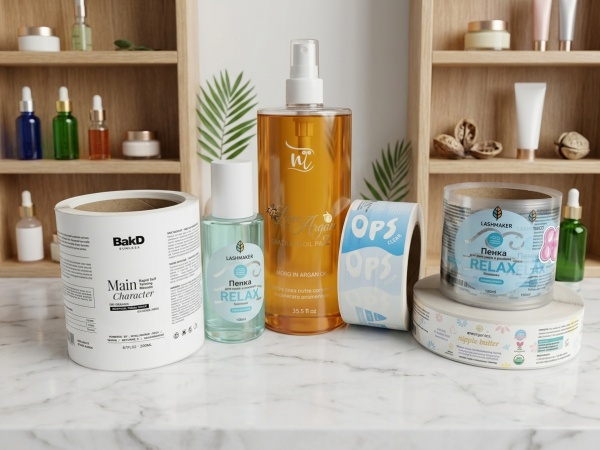
Clear cosmetic labels and white labels are two very different solutions to serve different packaging requirements. While clear cosmetic labels are perfect for a transparent and minimal appearance of skincare products, white cosmetic labels provide a printed background of high contrast to clearly read the ingredients, warnings and other important information on cosmetic packaging.
The best option for you will depend on the type of container you are using, the color of your product, artwork requirements,the amount of information you need to include and the way in which you intend to use your labels.
Don’t just choose a cosmetic label on looks alone, the print quality, white ink coverage, adhesive and how it will look on the actual item such as a bottle or jar, all need to be taken into account prior to placing a bulk order.
What Is the Difference Between White and Clear Cosmetic Labels?
Clear cosmetic labels are produced from transparent films,mainly clear BOPP or clear PET. The main characteristic of these films is their transparency. When used with transparent containers the customers are able to see the color and texture of the contents in the container.
White printed cosmetic labels are made with an opaque white face stock. The printing appears clearly on the white background, and all colors print solidly and brightly.All printed logos,graphics and text are clearly visible and are printed in full color with accurate reproduction.
The two types of cosmetic labels can be produced using durable film materials. Their appearance and the printed graphics are different from one another.
| Feature | Clear Cosmetic Labels | White Cosmetic Labels |
| Appearance | Transparent, minimalist, no-label look | Solid, clean, defined label area |
| Background | Container and product may show through | White face material covers the background |
| Color reproduction | Depends on background and white ink coverage | Generally more predictable |
| White design elements | Usually require white ink | Can use the white material as the background |
| Small text | Requires careful contrast planning | Usually easier to make readable |
| Design flexibility | Best for transparent windows and layered effects | Best for opaque graphics and consistent branding |
| Common applications | Serum bottles, perfume bottles, clear skincare packaging | Cream jars, lotion bottles, shampoo packaging |
| Key consideration | Background visibility and application quality | Desired finish, opacity, and container compatibility |
Note that transparency of the label material affects the whole design and interaction with packaging material. Thus, a clear label does not only equal to a white label without the background. The look will change depending on the packaging material.
When Should You Choose Clear Cosmetic Labels?
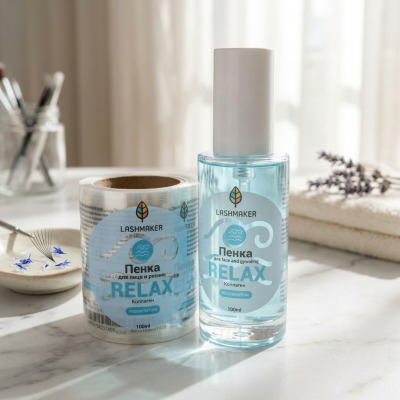
Clear labels are ideal for cosmetics packaging when you want to show off the beautiful bottle form and the natural color of your product inside the bottle. This type of packaging includes facial serum bottles, glass dropper bottles, facial oils and cleansing waters, transparent toner and premium beauty products often come with beautifully designed bottles and attractive liquid hues. Clear labels help highlight their premium positioning.
Unobstructed View of Bottle & Liquid
The clear substrate does not block the bottle. Viewers can directly see the bottle lines and the original color of liquid inside, reducing visual distraction from extra elements.
Highlight Authentic Product Texture
High-end beauty buyers value the true texture of products. Clear labels put the product itself as the visual focus. The amber tone of serums and soft rose pink of perfume can be displayed directly to customers. Compared with printed color blocks, they show the original texture of liquid more intuitively.
Preserve Original Glass Bottle Design
Many brands invest heavily in the curved surface, thickness and shape design of glass bottles. Clear labels act as an invisible carrier. They print brand names, instructions and compliance information, while fully keeping the original look of glass bottles and not ruining the beauty of the container design.
When Are White Cosmetic Labels the Better Choice?
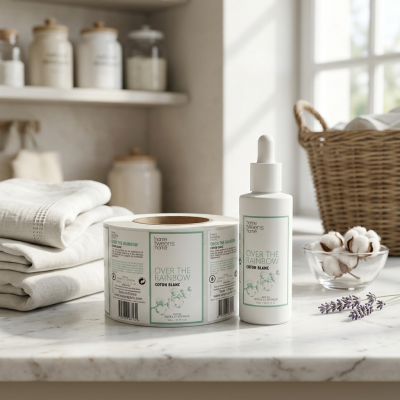
Most cosmetic products are filled into dark colored bottles or have a dark or cloudy liquid. To ensure that the printed text and graphics are visible, you should use white cosmetic labels.These solutions cover up the color of the bottle and prevent dark backgrounds from hiding text and graphics.Facial cleansers, shampoo bottles, body lotions, hand soap, and skincare containers often have dark bases.
White labels deliver strong contrast and make product details easy to read under all lighting conditions.White cosmetic labels deliver strong contrast between the product and label details, they are also easily read in all lighting conditions.
Achieve More Consistent Brand Colors
White face stock is neutral to print. It does not change the colors of your brand so what you see is what you get. Most makeup,skincare and body care products have many different shapes, sizes and are packaged in various materials so a white face stock is usually the best choice.
Improve Text and Information Readability
Cosmetic packaging contains product name, use instructions, list of ingredients and any special warnings, as well as net quantity, batch number and other country specific information.
On clear labels text can become invisible if the background is too dark, too patterned or too busy. White labels offer a more predictable background for this information.
However, each white label does not automatically guarantee readability. Readability also depends on font size, contrast, print quality, label dimensions and available print area.
Support More Predictable Production
White labels can simplify color management because the artwork is printed against a consistent base rather than the changing colors of glass, plastic, or the product inside.
For brands producing several SKUs with different container colors, this can be an important consideration when maintaining a consistent visual identity across a product line.
How Does White Ink Affect Clear Cosmetic Labels?
No White Ink
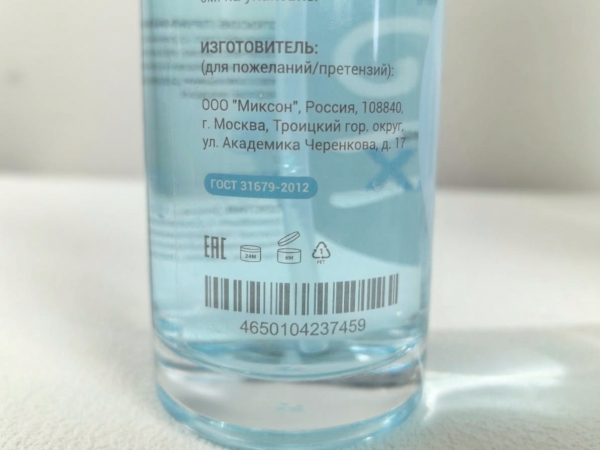
This design is printed directly onto transparent film without a white underprint. It delivers a “no-label look” visual effect yet sacrifices color saturation and graphic sharpness. This transparent label option is ideal for those that are following a minimalist design strategy to create a unique visual impact of the label to the background. Without a white base layer for backing, the clarity of printed graphics and text on the label will be compromised, along with weaker color performance.
Selective White Ink
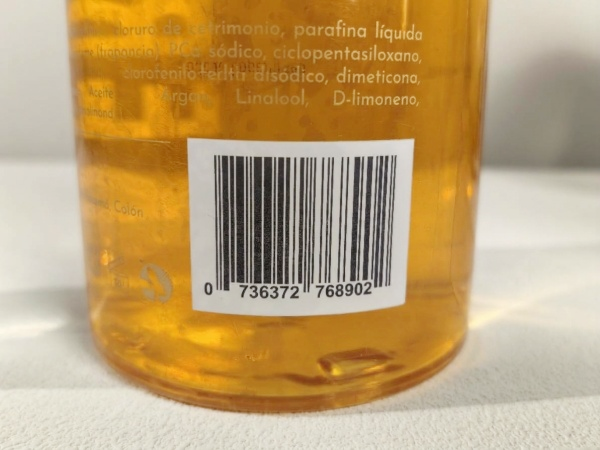
White ink is printed only beneath selected elements, delivering a remarkable upgrade in both visual effect and practicality. As it has strong opacity, white ink can cover up the background color of the container on which the label is applied. Thus, you don’t have to worry about the color of the containers on which the labels are to be applied, as printed text and graphics will appear clearly and strongly. Only slightly more expensive than clear cosmetic labels.
| White Ink Option | Best Use | Main Trade-Off |
|---|---|---|
| No white ink | Transparent designs with high-contrast artwork | Colors can change with the background |
| Selective white ink | Logos and text that need extra opacity | Requires careful artwork preparation |
| Full white underprint | Stronger color reproduction across larger printed areas | Less transparency and potentially higher cost |
Which Cosmetic Label Type Works Best for Different Bottles and Jars?
| Cosmetic Product | Suggested Starting Point | What to Check Before Production |
| Facial serum in a clear glass bottle | Clear BOPP or clear PET | Formula color, logo contrast, and adhesive compatibility |
| Face cream in a jar | White BOPP or clear film | Surface curvature, lid design, and exposure to cream or oils |
| Shampoo in a clear bottle | Clear BOPP or white BOPP | Water exposure, surfactants, container flexibility, and adhesion |
| Lotion in an opaque plastic bottle | White BOPP | Container color, brand colors, and surface curvature |
| Premium perfume in a glass flacon | Clear PET, clear BOPP, or white label stock | Fragrance exposure, artwork detail, and desired finish |
| Minimalist toner in a transparent bottle | Clear BOPP | Transparency, text contrast, and product visibility |
These are starting recommendations rather than universal rules. The best construction depends on the specific film, adhesive, container surface, product formulation, and expected conditions.
For instance, a clear label may suit a rigid glass serum bottle but require a different adhesive or label construction when applied to a squeezable plastic container.
For additional material guidance, see our guide to choosing the best cosmetic label material.
FAQ
How do I choose between clear and white cosmetic labels for my product line?
Why is selective white ink important when ordering clear cosmetic labels?
Do white cosmetic labels offer better consistency for multi-SKU product lines?
Are both clear and white cosmetic labels resistant to water, oils, and skincare ingredients?
Can clear cosmetic labels accommodate small ingredient text and barcodes?
What information should I prepare when requesting a custom cosmetic label quote?

Need Help Customizing Your Own Packaging Design?
Whether you need Cosmetic Labels, Wine Labels, Food Labels, or Custom Adhesive Stickers, our experts can recommend the best material based on your product, application, and budget.